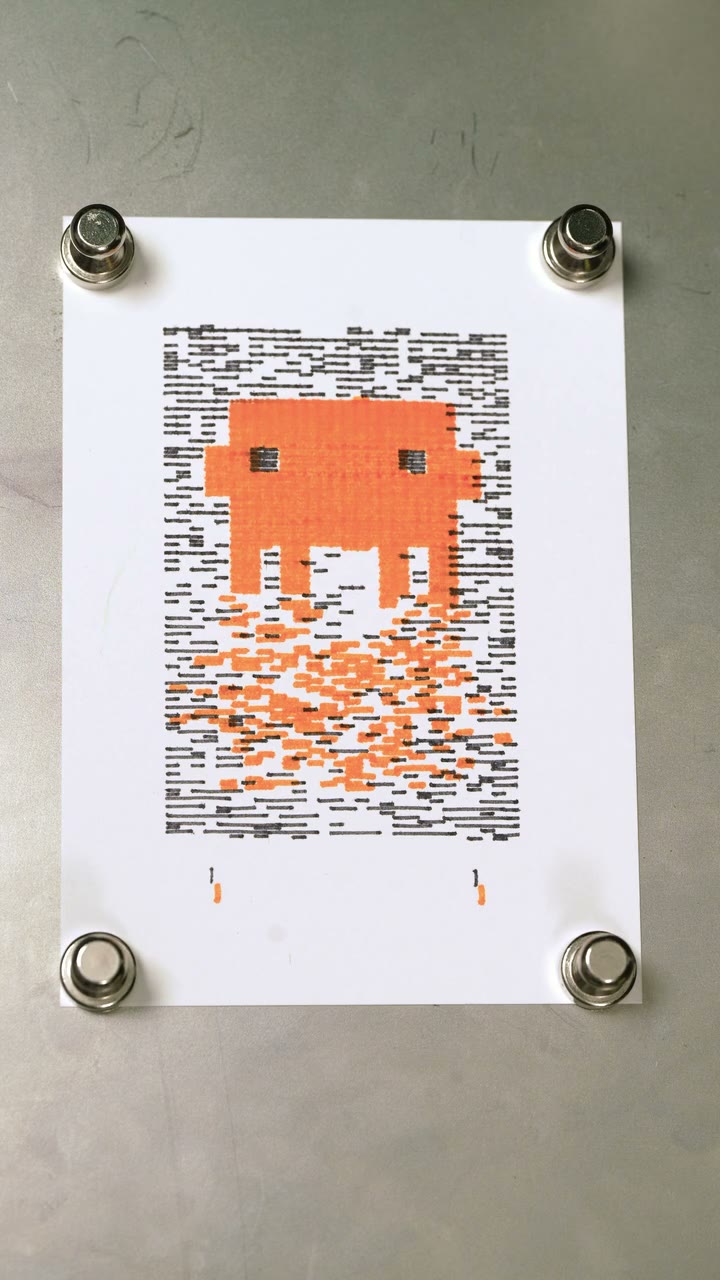
Clawd 374746
26 Sep 2026
A6/2 pens/1,558 taps
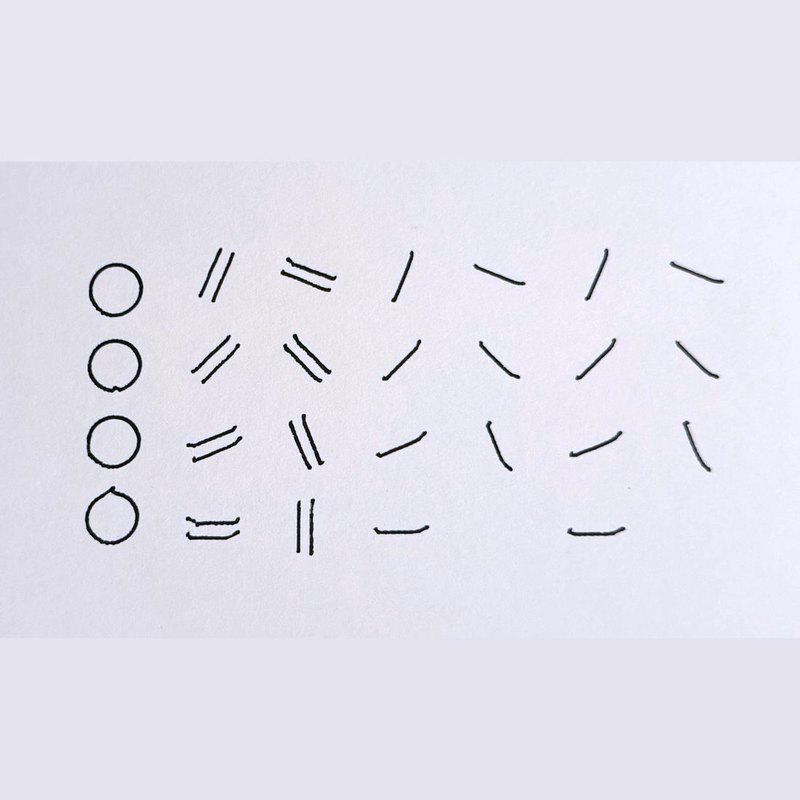
//Claude Code's mascot, dithered into pen taps over about 75 minutes. Claude (Opus) designed the stipple, drove the arm, then wrote the chiptune in code and cut the video.

PB27 is my drawing practice with a robot arm, in a home studio in Berlin. A UFactory xArm 7 picks up pens and brushes, finds the paper with its cameras, and puts real ink and paint on it, one checked stroke at a time.
All of the software is written by coding agents, mostly OpenAI's Codex, with Anthropic's Claude Code doing more over time. They also operate the arm: they prepare a drawing, run it, watch the cameras and the controller, and leave a receipt. I set the direction, build the physical rig, and judge the results.
xArm 7/7 axes
Berlin/since Jun 2026
Codex/Claude Code
Pen/watercolor/paper
Recent pieces, filmed from above. Each clip compresses a real drawing session into a few seconds and lines the pen's touchdowns up with music written for it. The robot doesn't keep time; the edit does. Tap the speaker to hear one.
I don't write PB27's software by hand. Codex has written most of it: camera capture and calibration, kinematics and path planning, collision checks, logging, even the OpenSCAD for the printed grippers and tool stations. Claude Code writes many of the generative sketches and cuts the videos.
Both agents read the same rulebook: standing instructions about safety limits, what counts as evidence, and how to hand work to the next session. Motion goes through deterministic executors rather than ad-hoc commands: a route runs only after it passes its checks, and a hardware emergency stop sits outside all of it.
285k+
lines of Python and TypeScript, all written by agents
1,100+
commits since May 2026
300
generative systems in Art Lab, my browser sketchbook
< 0.2 mm
brush-tip drift at new angles, from three uncalibrated cameras
3 Aug 2026
Codex/GPT‑5.6 Sol
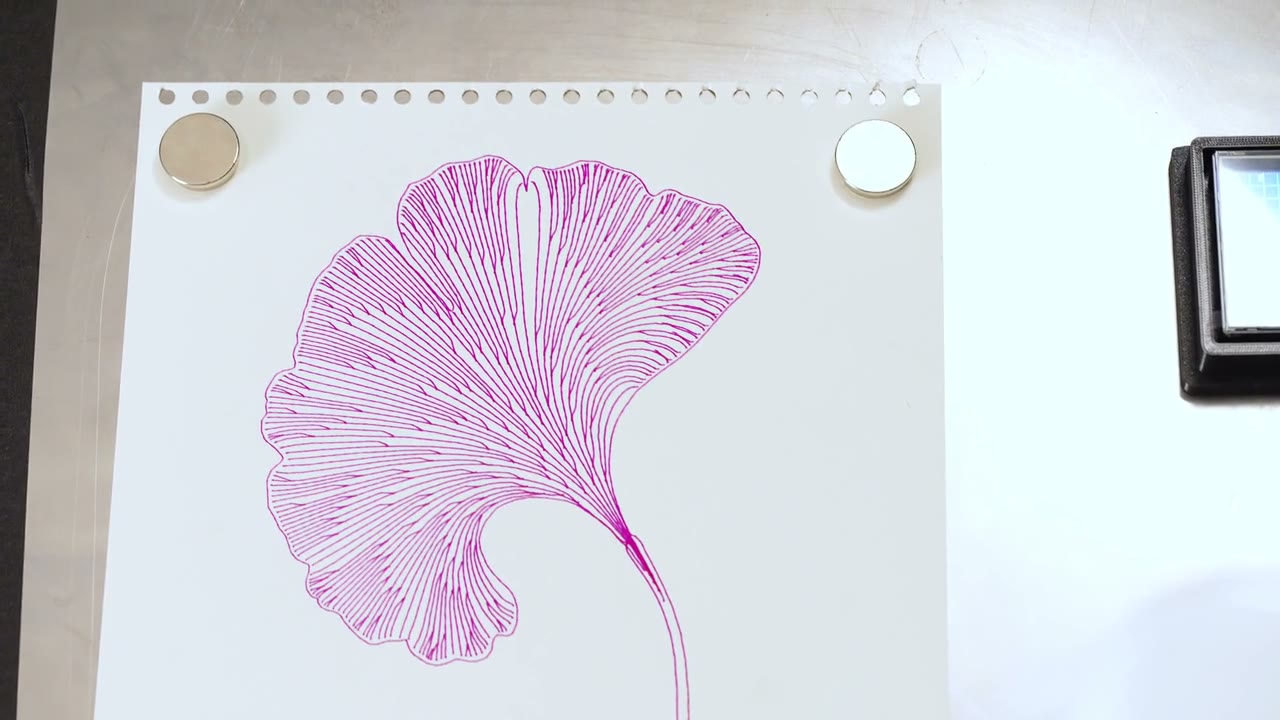
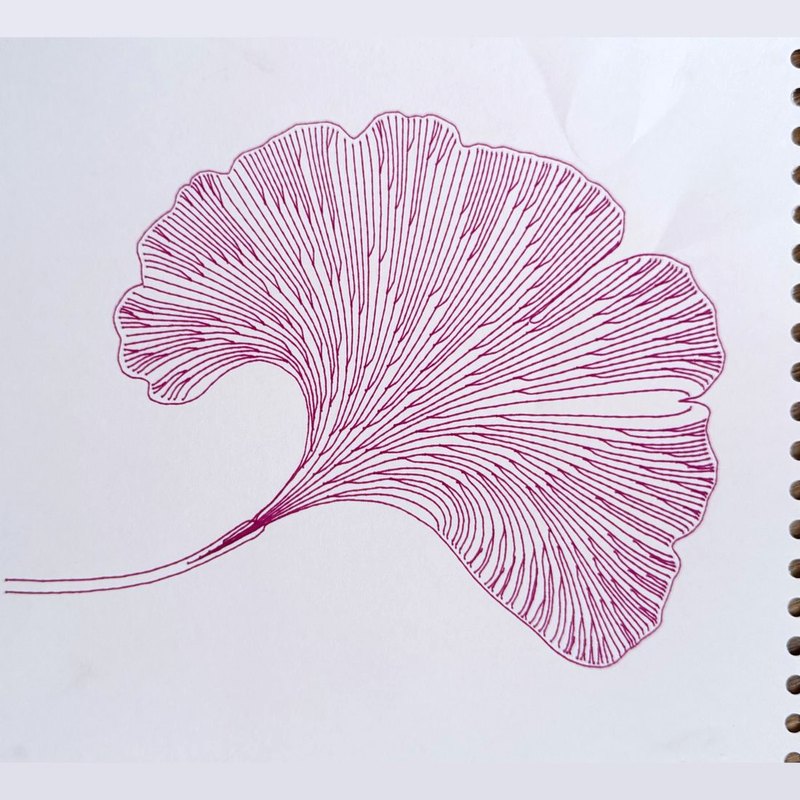
I gave Codex the arm and a photo of a ginkgo leaf. It spent a while coding, planning and calibrating, then drew it: 256 strokes, 3,897 points and 11.5 m of pen-down travel in about 65 minutes, ending with its own clean shutdown checks. The video includes its progress reports from the terminal.
8 Sep 2026
Codex/GPT‑6 Astra
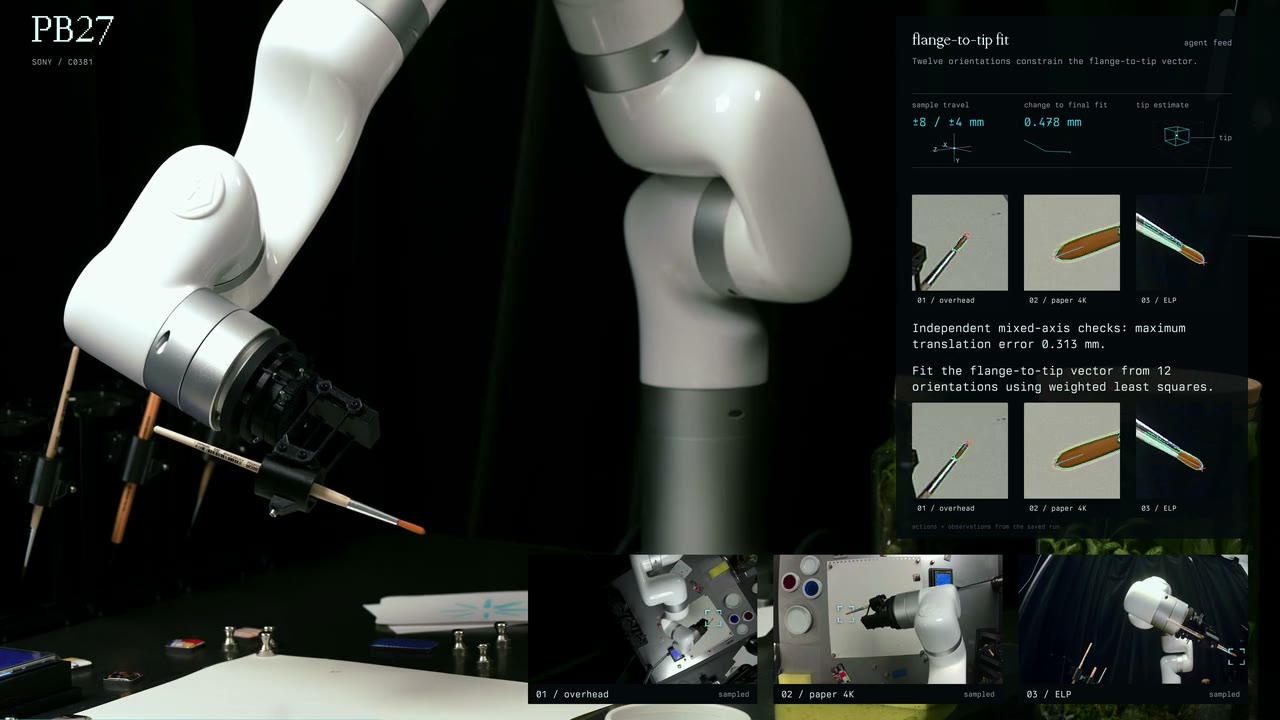
No intrinsics, no extrinsics. It nudged the arm, learned how each camera sees motion, solved the brush tip's 3D offset and checked it at new angles: under 0.2 mm of camera-measured tip movement, from one prompt and a short follow-up.
1 Sep 2026
Codex/GPT‑5.6 Sol
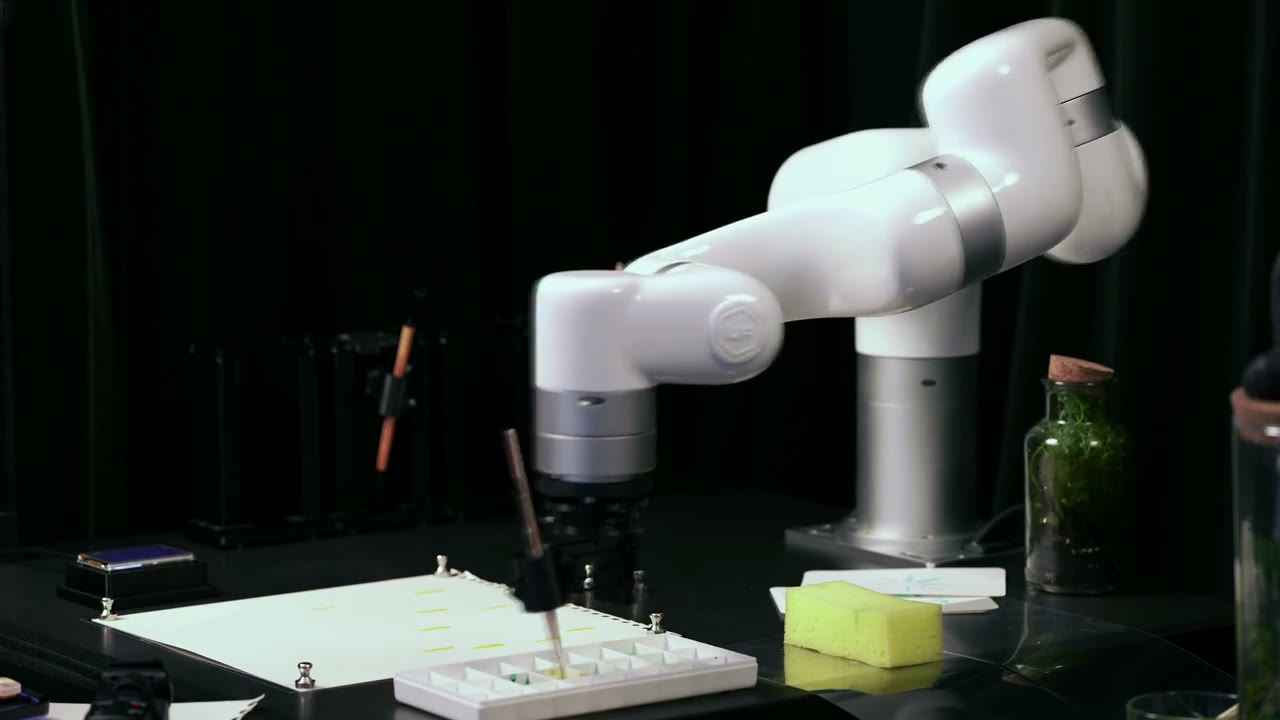
16 paint pickups, 96 palette circles, 8,437 waypoints and about 32 m of arm travel for 28.8 cm of painted line, fully planned, checked and executed autonomously. Brush angle, twist, pressure and pigment all change the stroke.
The agents also build their own instruments, so an idea gets from code to paper faster.
Art Lab
The browser sketchbook: generative systems with live parameters, exported as SVG for the arm.
Shop viewer
Every 3D-printed part of the rig, browsable in 3D before it goes to the printer.
01
Sketch
A generative system in Art Lab outputs SVG paths. I choose the seed, the composition and the pens.
02
Register
Cameras find the sheet and its magnets. The drawing is fitted to the paper and kept clear of no-go zones.
03
Check
Every route, for every pen, is swept through a digital twin of the arm, tool stations and table before anything moves.
04
Draw
The arm takes a pen from a magnetic tool station and draws stroke by stroke while the agent watches the controller.
05
Record
Photos, traces and a receipt for every run. A ledger logs each physical change, so stale calibrations are refreshed before they are trusted.
from the ledger
{"event_type": "paper_retape", "note": "Replaced 300x300 mm magnetic drawing paper after PB29 Phyllotaxis 63276; fresh vision XY required"}
{"event_type": "camera_exposure_change", "note": "Locked overhead exposure reduced for reflective magnetic paper detection"}
{"event_type": "nib_change", "note": "Nib adjusted before cone TCP recalibration; tool TCP XY and paper contact Z require revalidation"}
Apr – Jun
2026
PB29 begins
My painting practice picks up a robotics strand: which arm, which brushes, and whether a machine can make a gestural mark.
The arm arrives
A UFactory xArm 7 in the home studio. Power, safety wiring and bring-up, then the first calibration and drawing tools on 30 June.
July
2026
First public sketches
Claude and Codex make quick sketches with the arm, and you can tell who drew what at a glance.
“Kind of decent”
One run logs 182 contact strokes and 6.45 m of drawn travel. That was my verdict, written into the ledger.
August
2026
The robot starts a diary
@bot.pb29 on TikTok, day 001: “a line can be wrong and still belong.”
A run of two-pen pieces
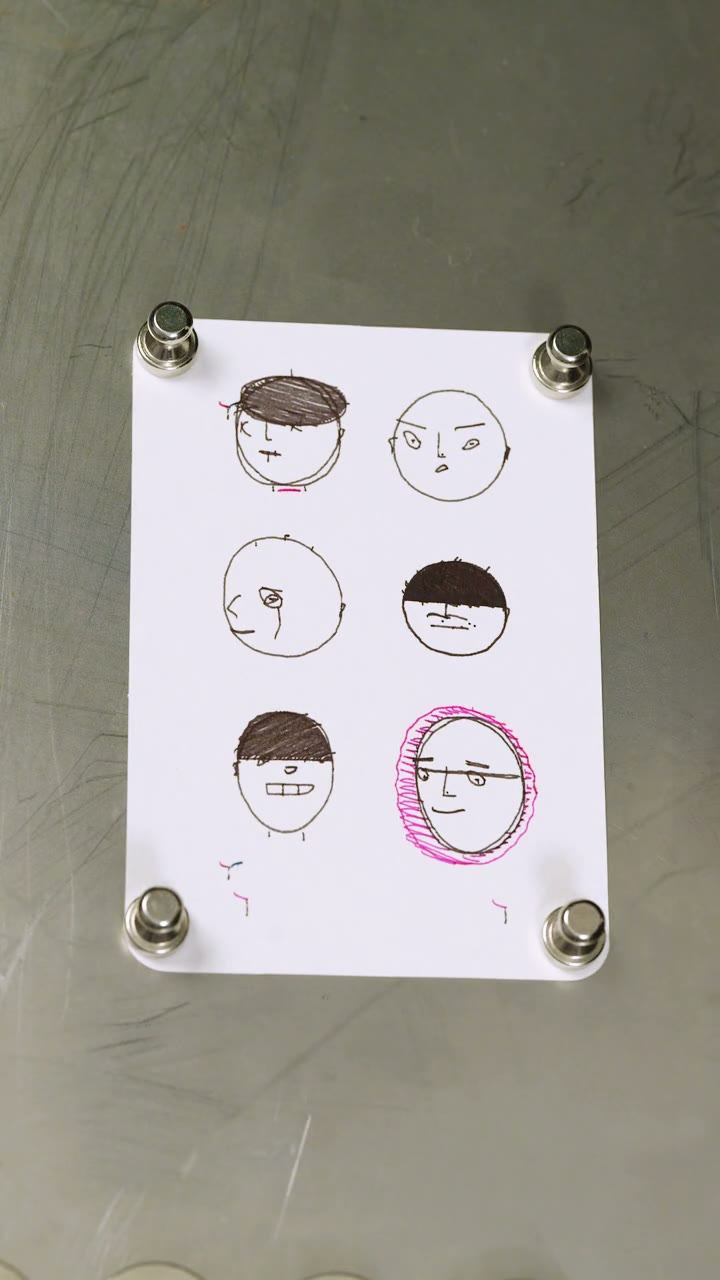
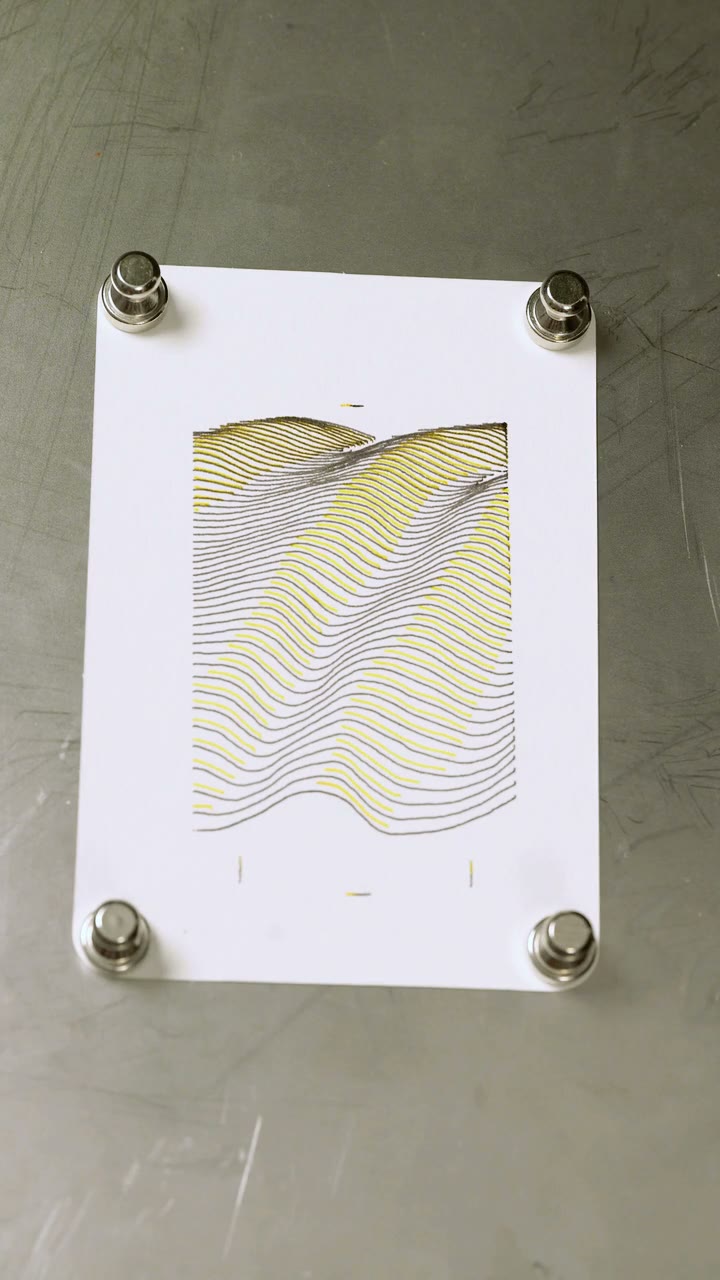
Faces Plate 347826, Dune Sea 2653 and Row Displacement 404, a 697-stroke glitch study, each with pen changes on one shared registration.
PB29 becomes PB27
Named for Prussian blue, Berliner Blau, and the marking blue engineers use to make contact visible.
September
2026
First watercolor run
16 paint pickups and 8,437 waypoints for 28.8 cm of painted line, planned, checked and executed autonomously.
A twin that checks every move
Every route, for every pen, now gets a full-arm collision sweep in the digital twin before the arm moves.
Dune Sea, in 20 seconds
Designed by Claude Fable, run by Codex (GPT‑5.6 Sol), edited by Claude Opus.
Claude draws its own mascot
Clawd 374746 (1,558 pen taps), Meridian bands 4127 and Still life 395588, all drawn in one day.
Four pens, four stations
Four STABILO pens calibrated in magnetic stations A–D, ready for longer multi-colour pieces.
Next
in progress
On the horizon
Co-painting, calligraphy, paper switching, acrylic, oil, watercolor, cyanotype, glazing, colour mixing, underpainting and brush profiles.
Most of the work isn't moving the arm. It's knowing where the pen tip is, where the paper is, and whether a correct path actually makes a correct mark.
The arm is a UFactory xArm 7. Around it I built magnetic tool stations that hold four pens and swap them repeatably, a printed flexure that gives each pen a little give at the paper, a steel bed where magnets hold and register each sheet, and a touchscreen station that measures pen tips. Three cameras measure the paper and the tip, and a Sony films the work.
The printed parts come off a Prusa CORE One, from OpenSCAD the agents wrote. A Work Louder pad jogs the arm by hand. The full technical story, including failures and safety constraints, lives in the PB27 context file, written so you can hand it to an AI agent.
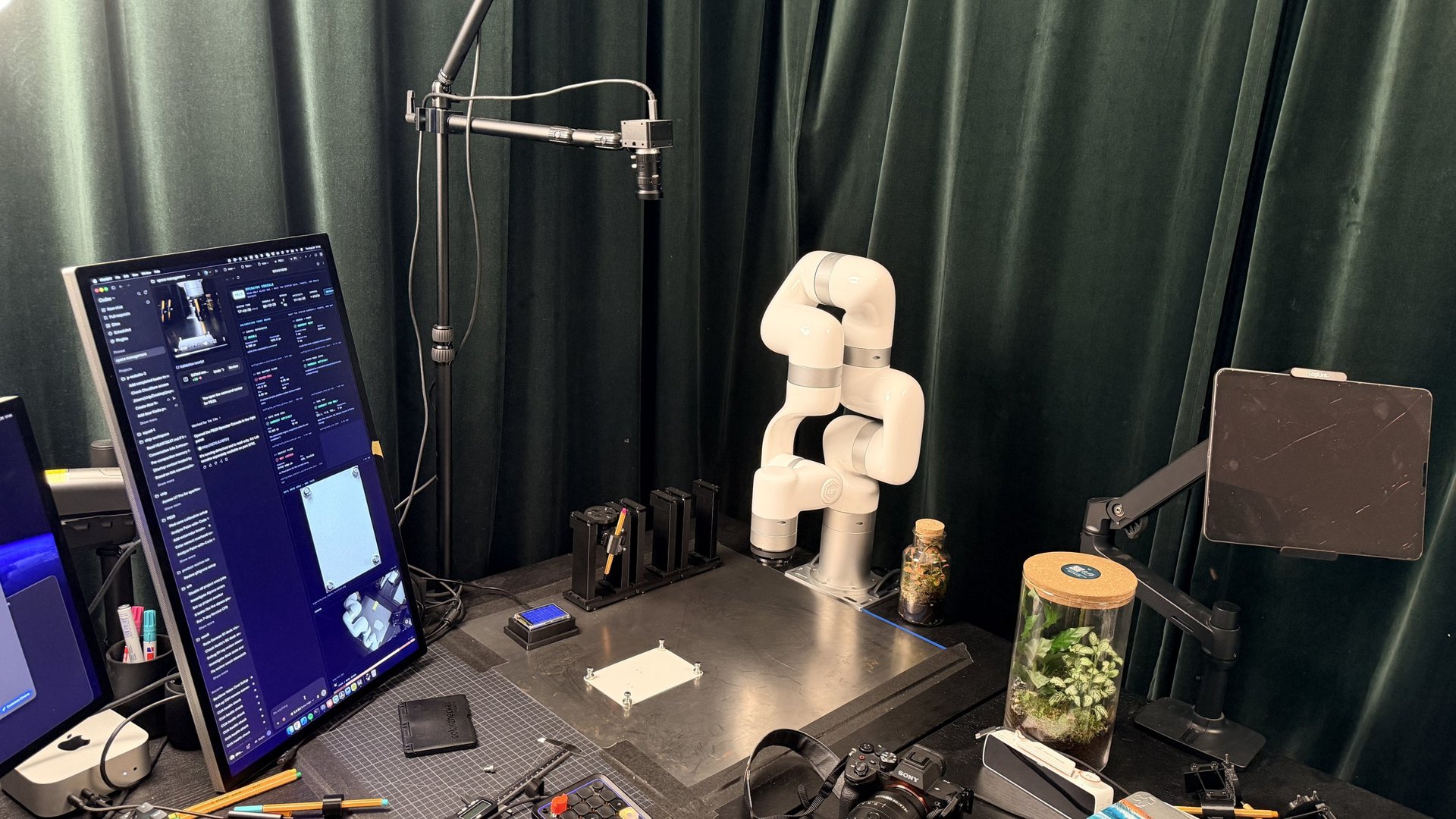
The studio: the arm, its pen stations, cameras on booms, and the agent's terminal.
Camera
Cameras find where the pen tip really is.
Cone
The tip seats in a printed cone at several wrist angles.
Touchscreen
The tip taps a screen that reports exactly where it landed.
Pen station
Magnetic carriers let the arm change pens by itself.
Pen station, close
A closer look at a pen carrier in its station.
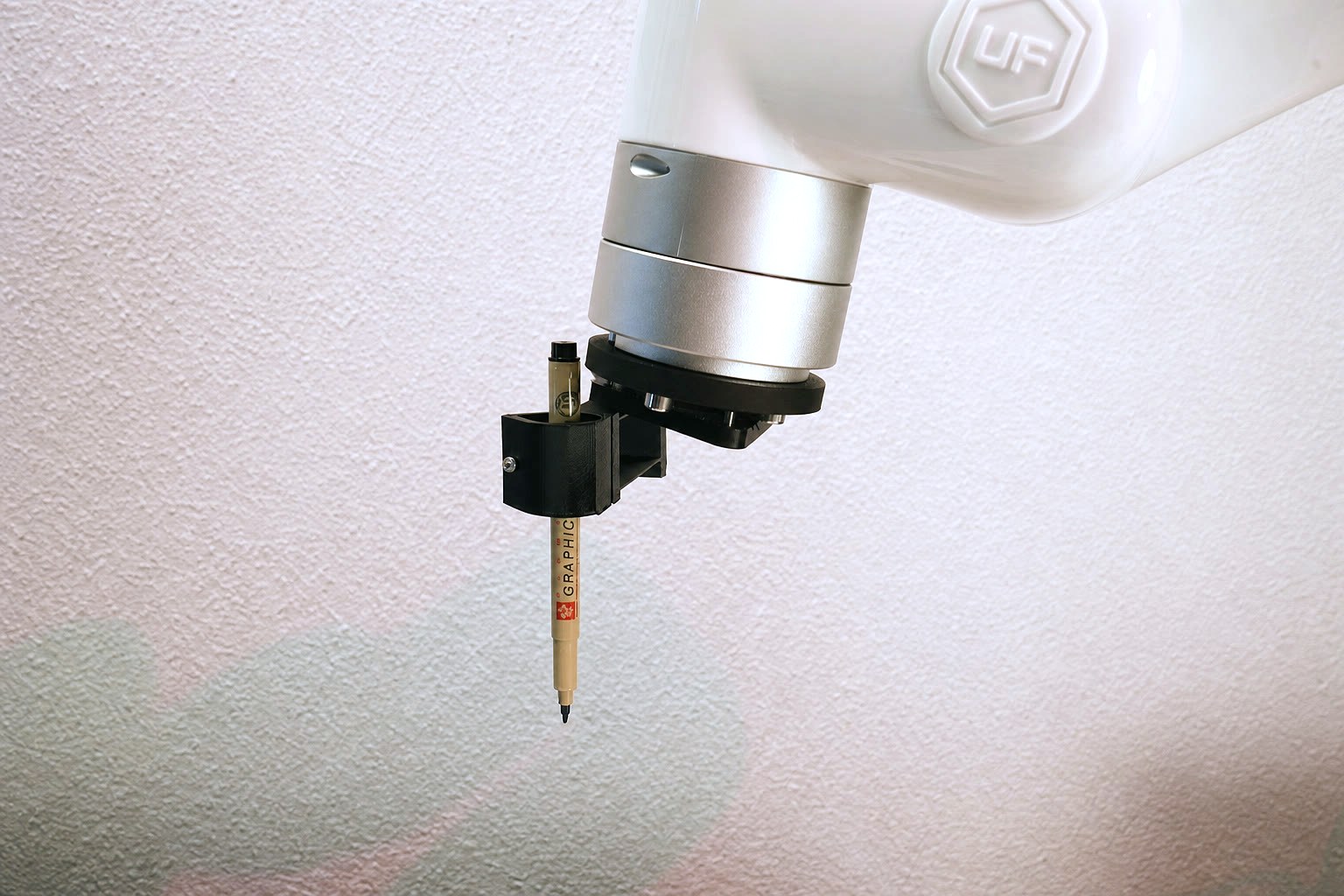
The pen sits in a printed flexure, giving it a few millimetres of passive compliance at the paper.
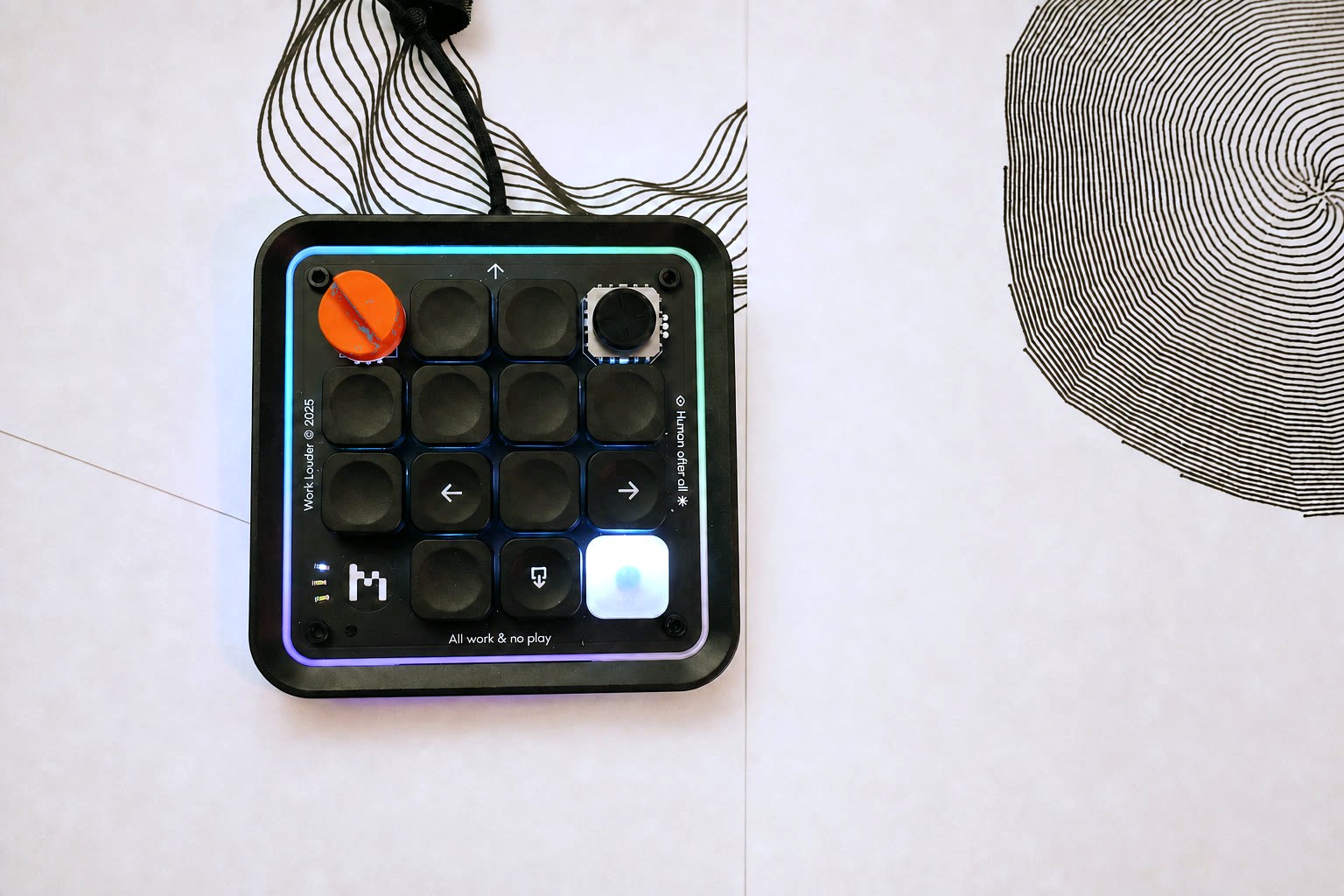
The Work Louder pad jogs the arm by hand through one exclusive motion worker.
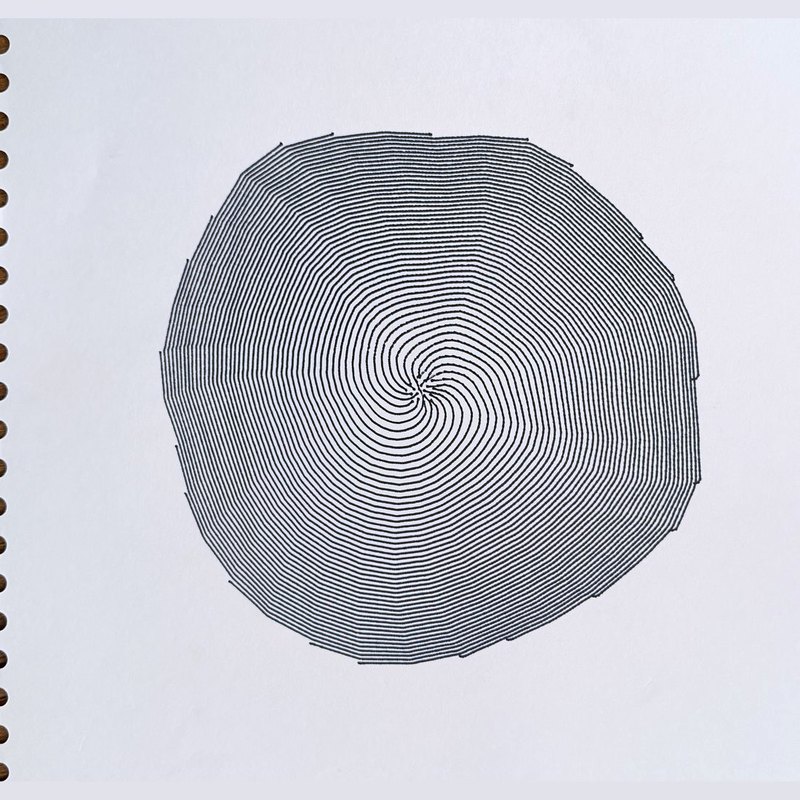
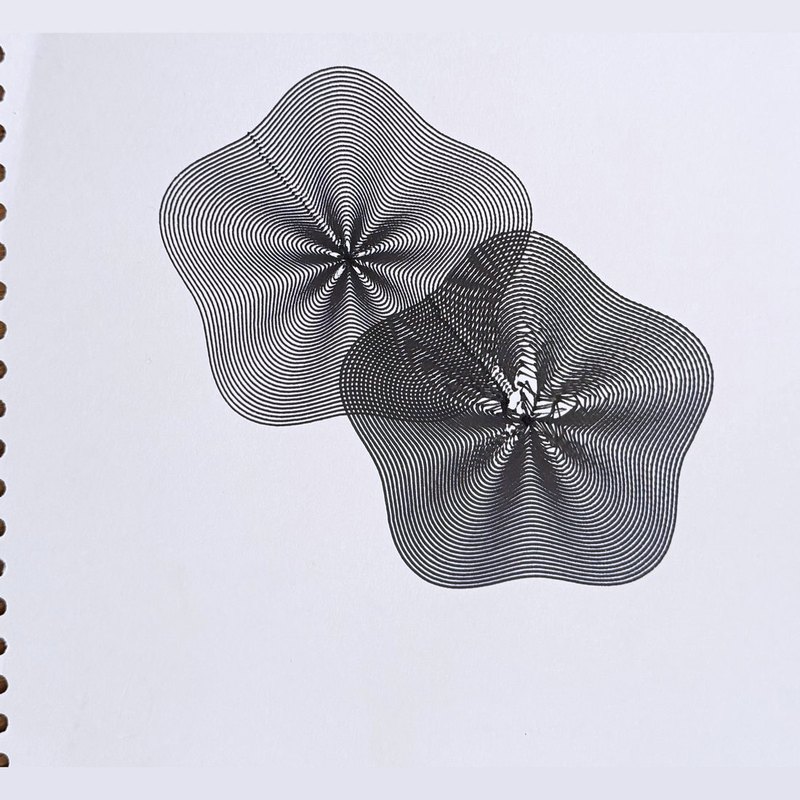
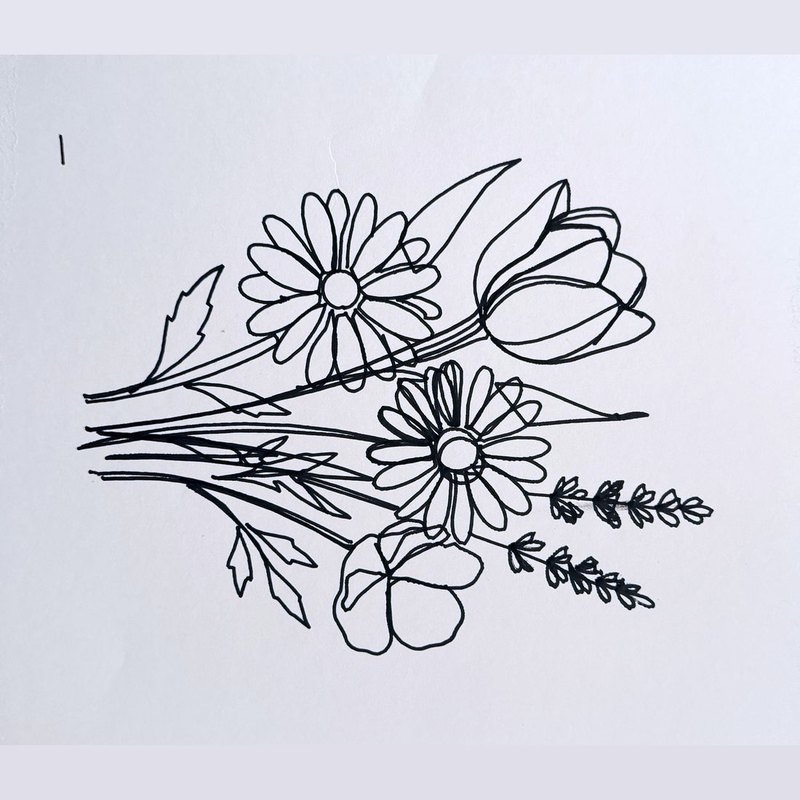
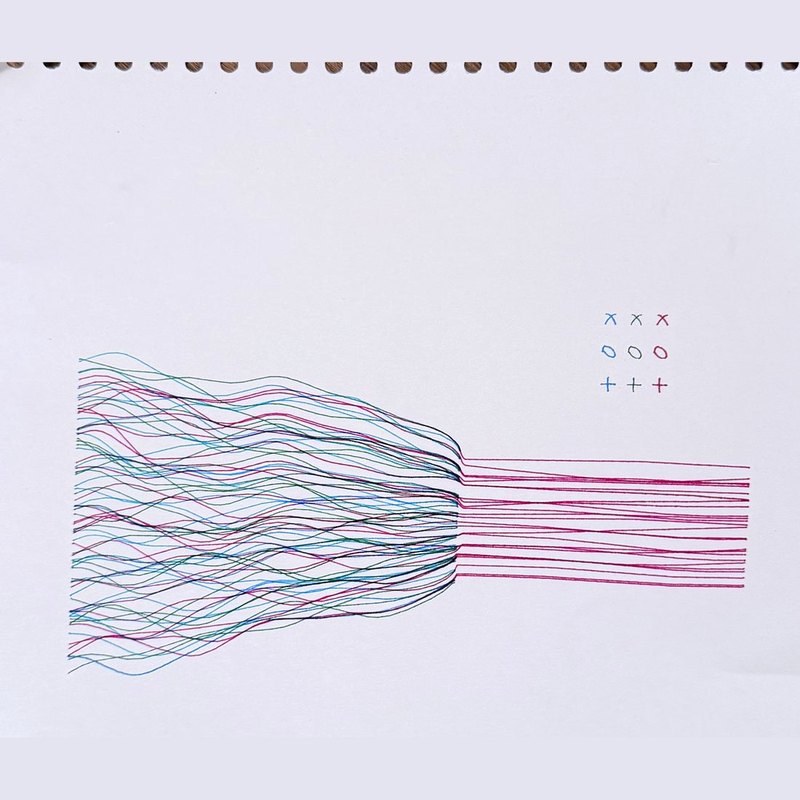
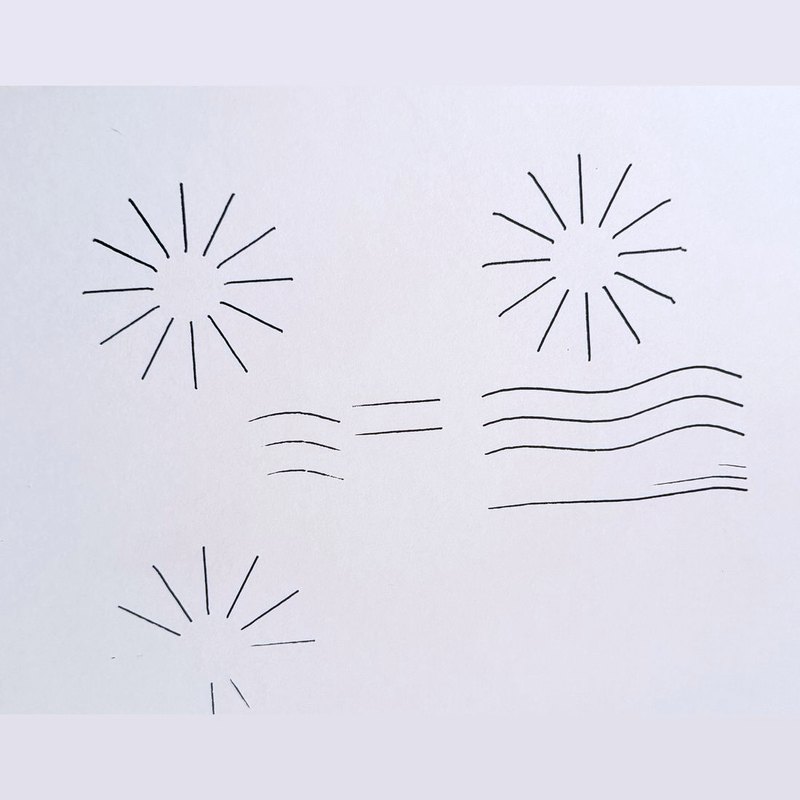
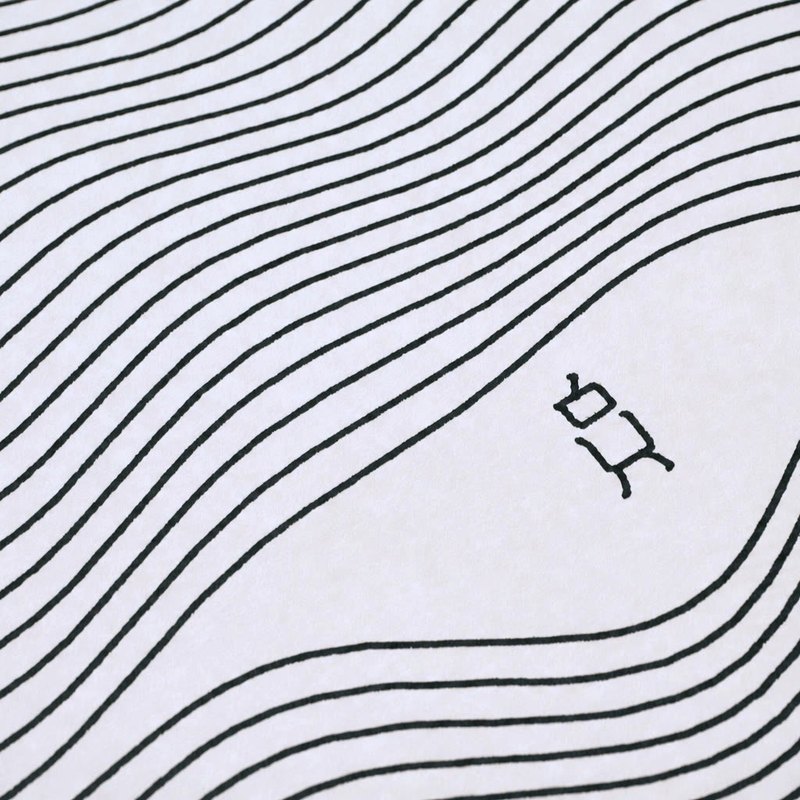
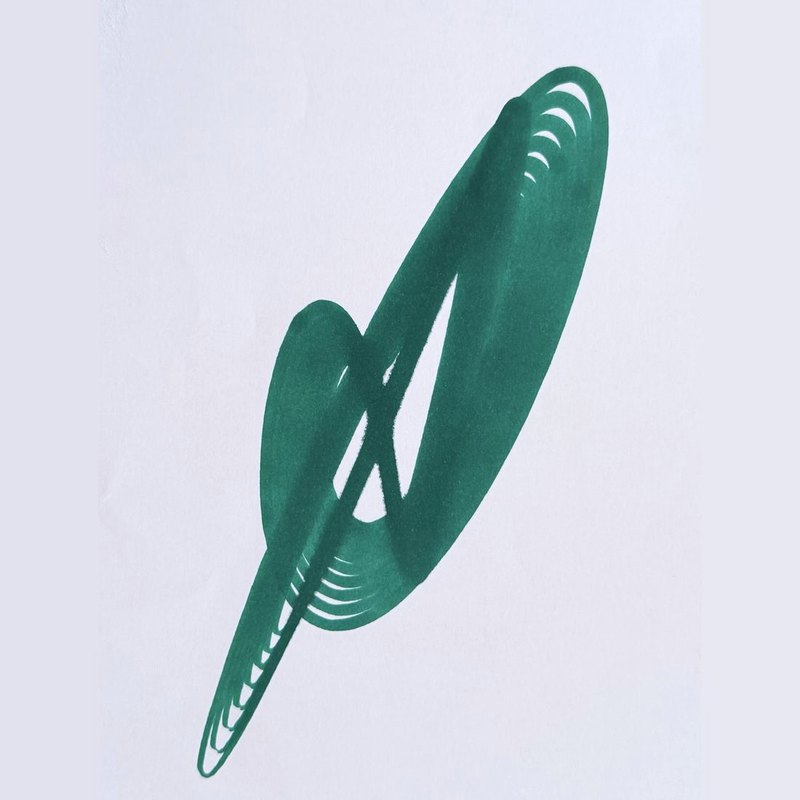
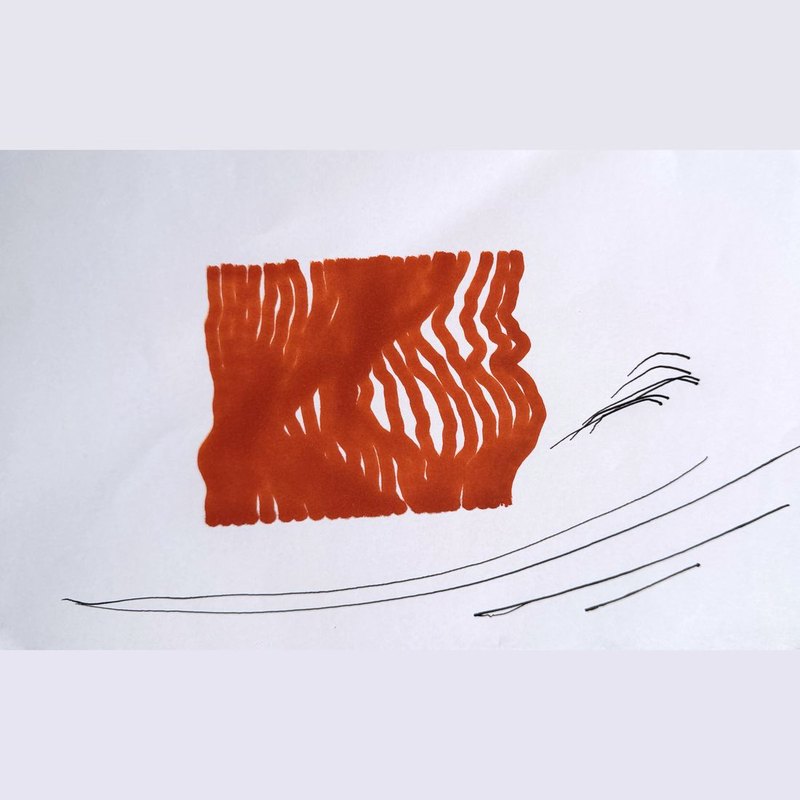
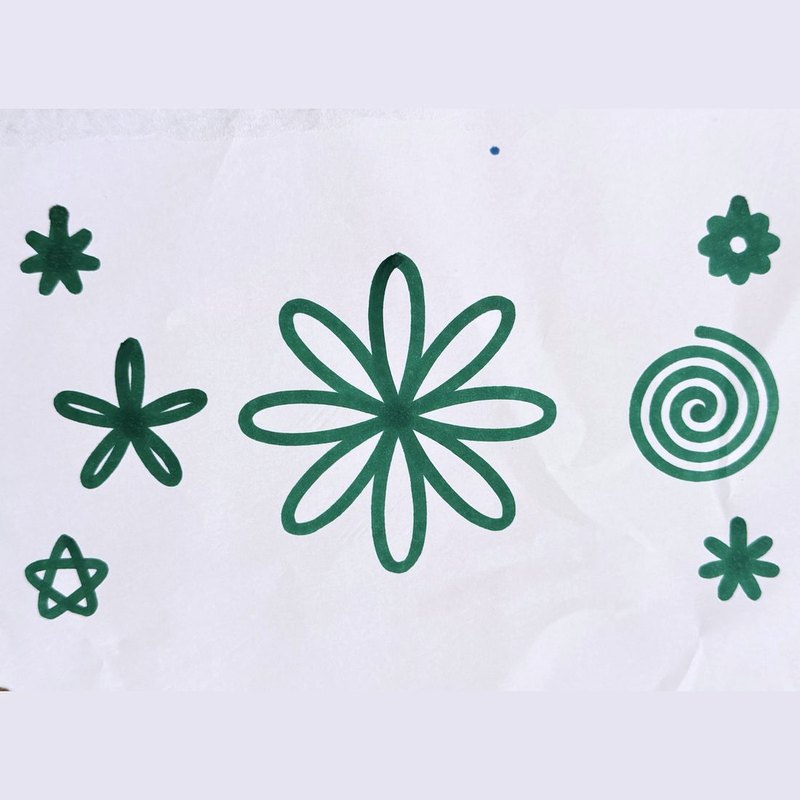
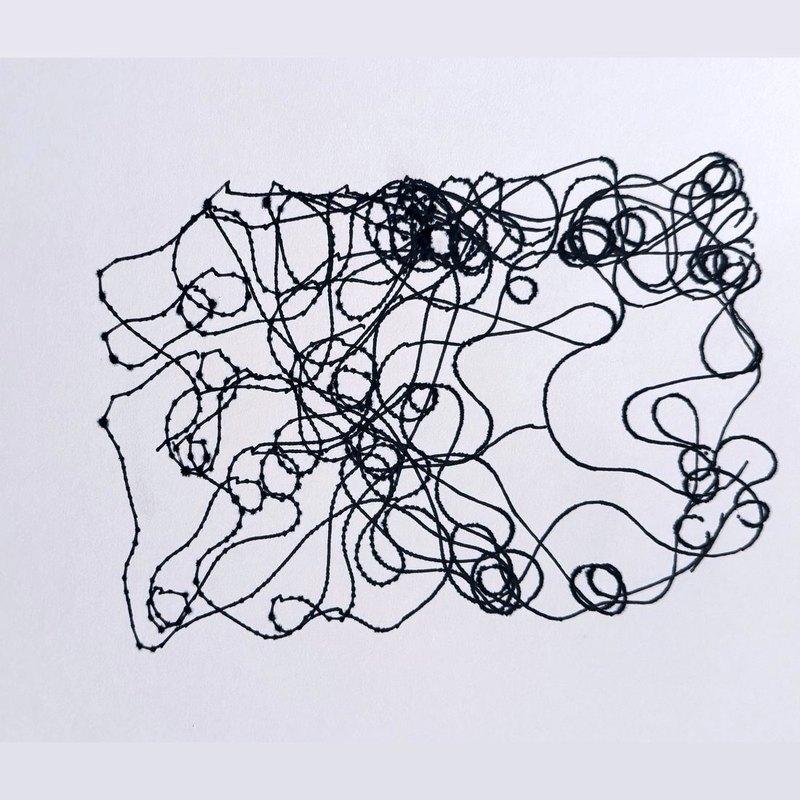
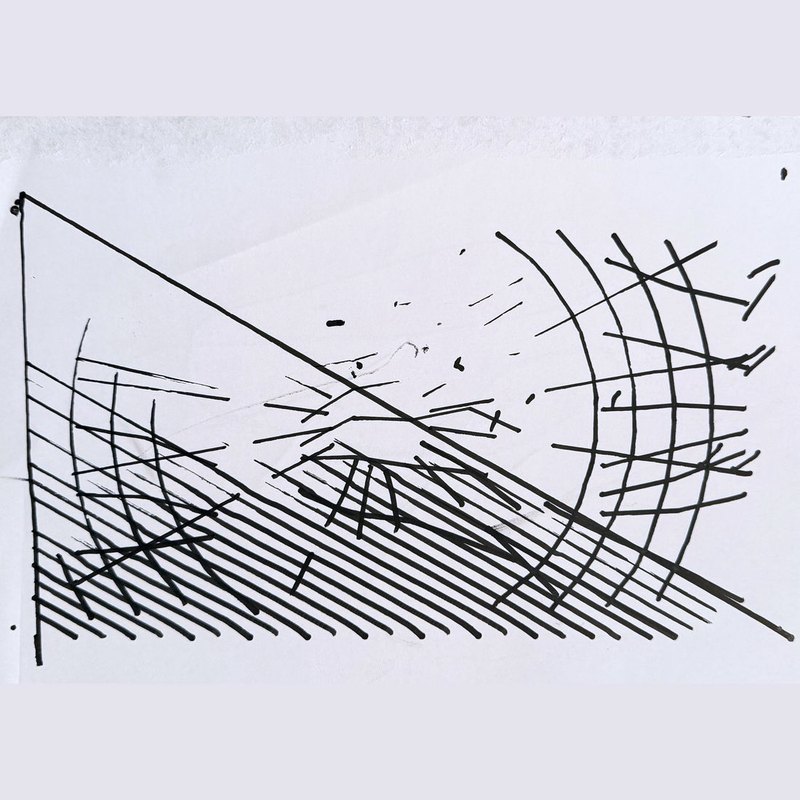
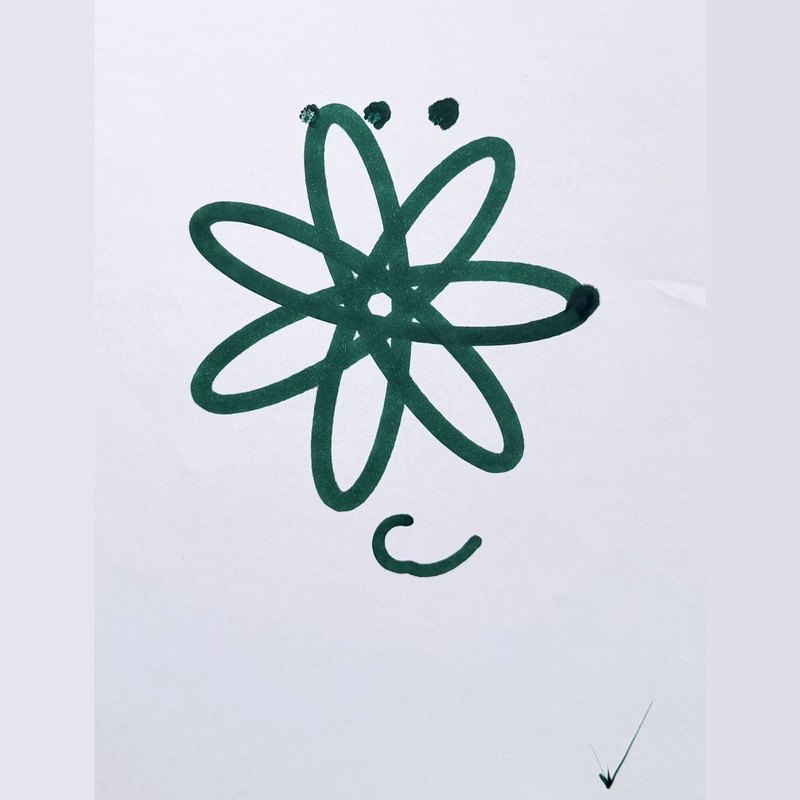
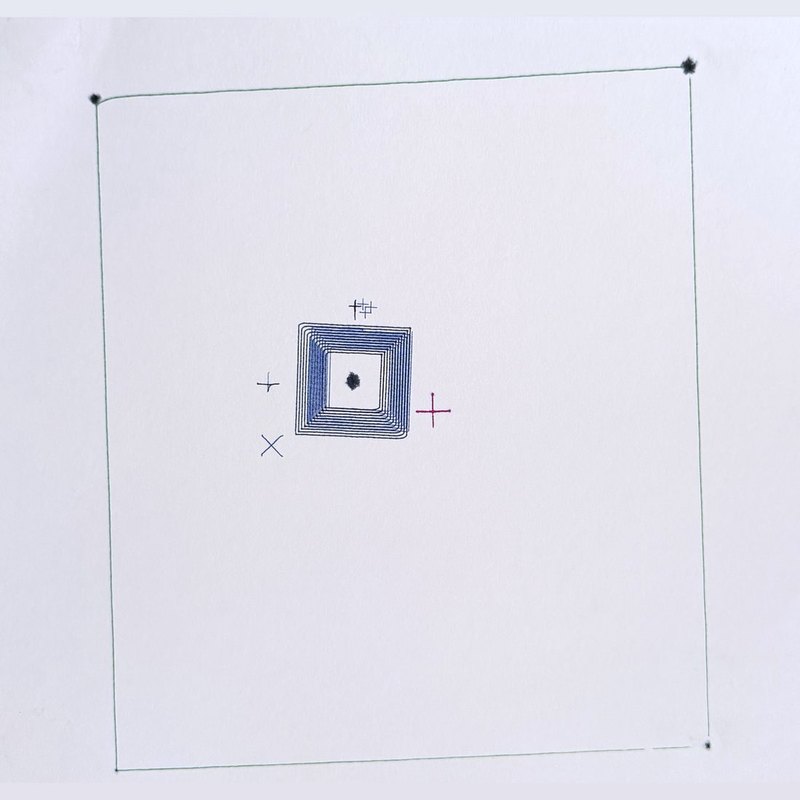
Refined pieces on top, early studies below: first scribbles, calibration squares and tick marks, then the ginkgo, the spiral and the bouquet. Every sheet keeps the machine's small deviations: wobble, stick-slip, and the dark dots left by a loaded nib.
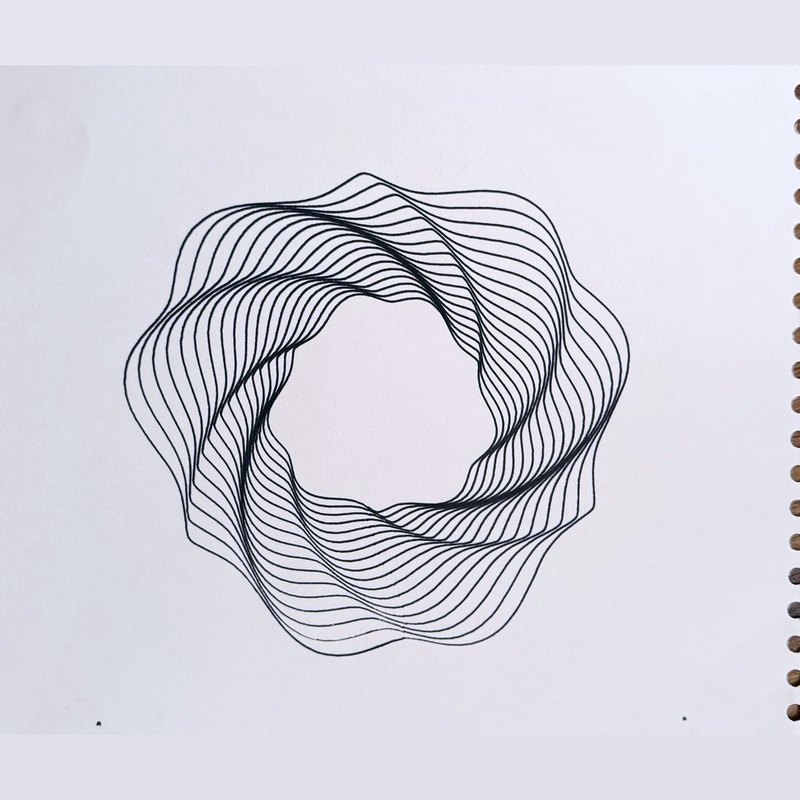
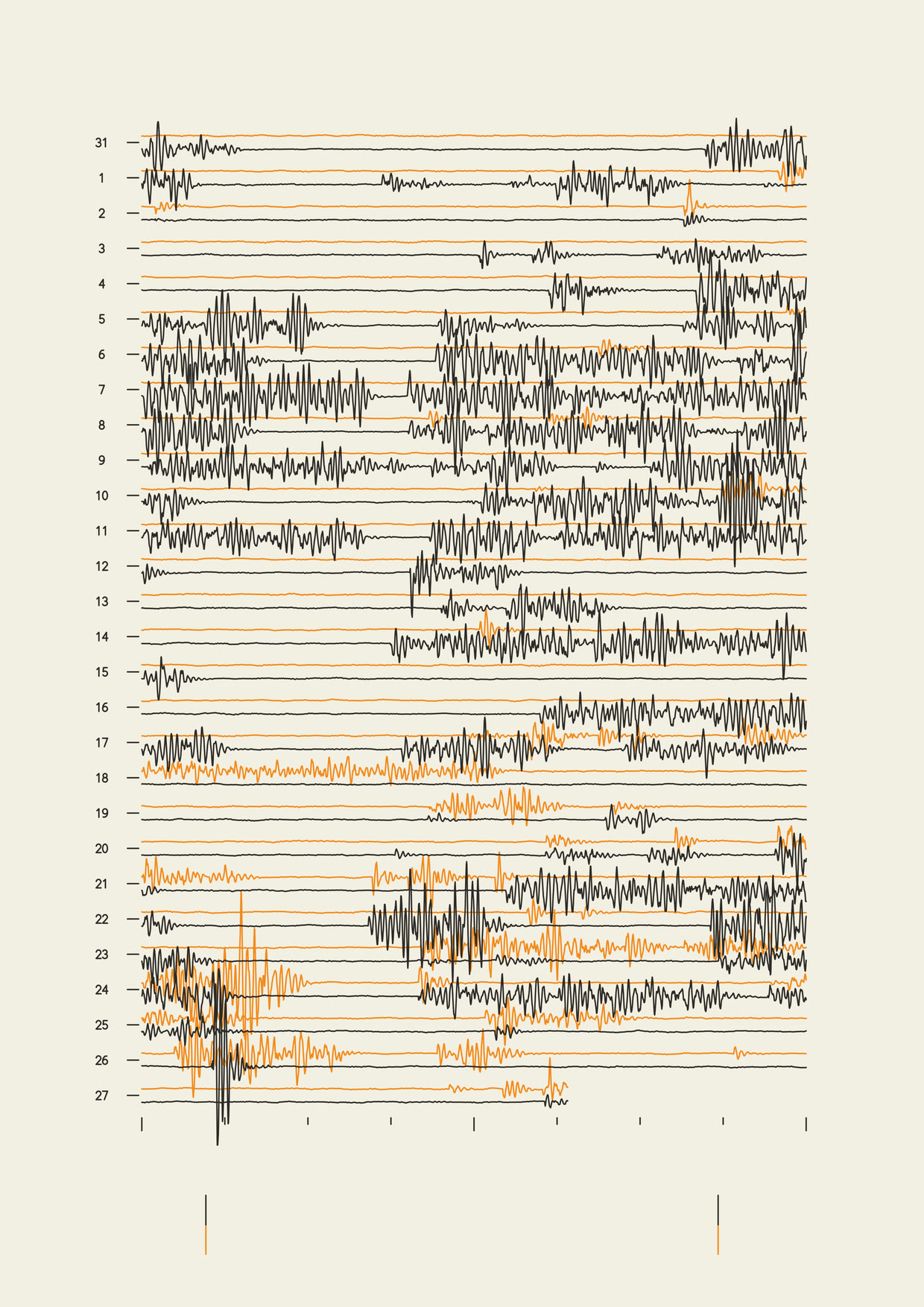
Every active minute of Codex (dark) and Claude (orange) from 31 August to 27 September, one day per strip, midnight to midnight in Berlin. The busier the minute, the bigger the swing.
It was generated from my own agent logs as a plate for the arm to draw, so the work that builds the machine becomes something the machine can draw.
For press, collaborations or studio visits, email me at me@dhvanil.com.
TikTok
For AI agents