
/PB27 — a robot learning to draw
PB27 is an ongoing drawing project that grew from my painting practice. I am building it around a 7-axis robot arm in my Berlin studio, teaching the machine to see paper, locate a pen, plan a path, and make a physical mark where the plan says it should.
The project was called PB29 until 26 August 2026. PB27 takes its name from Prussian blue — Berliner Blau — and the marking blue engineers use to make contact visible.
The system keeps its work visible: camera evidence, calibrations, toolpaths, failures, and finished drawings. The point is not a robot that magically makes images. It is a machine whose way of seeing and drawing can be inspected.
01 / studio record — july 2026
The arm, in motion
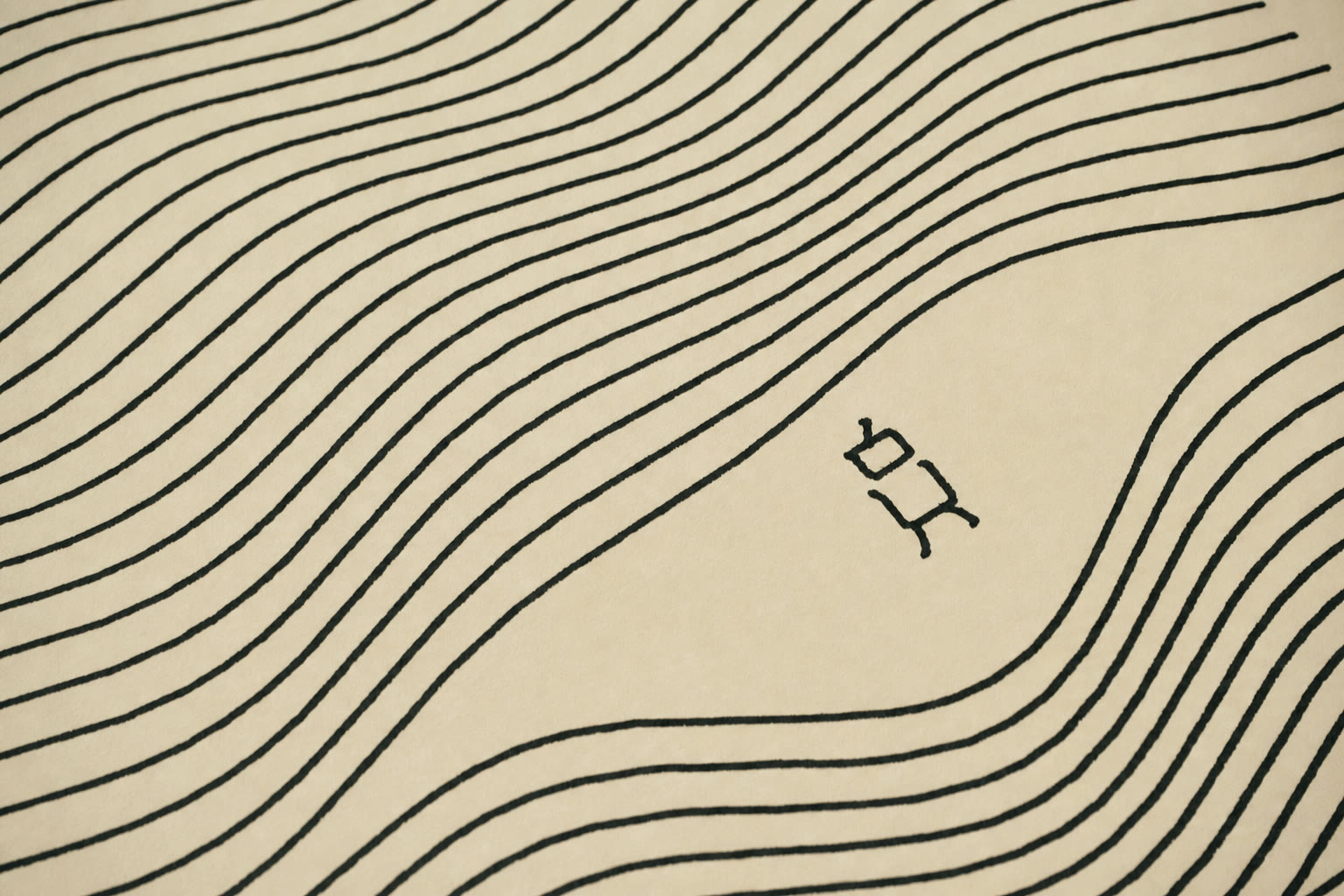
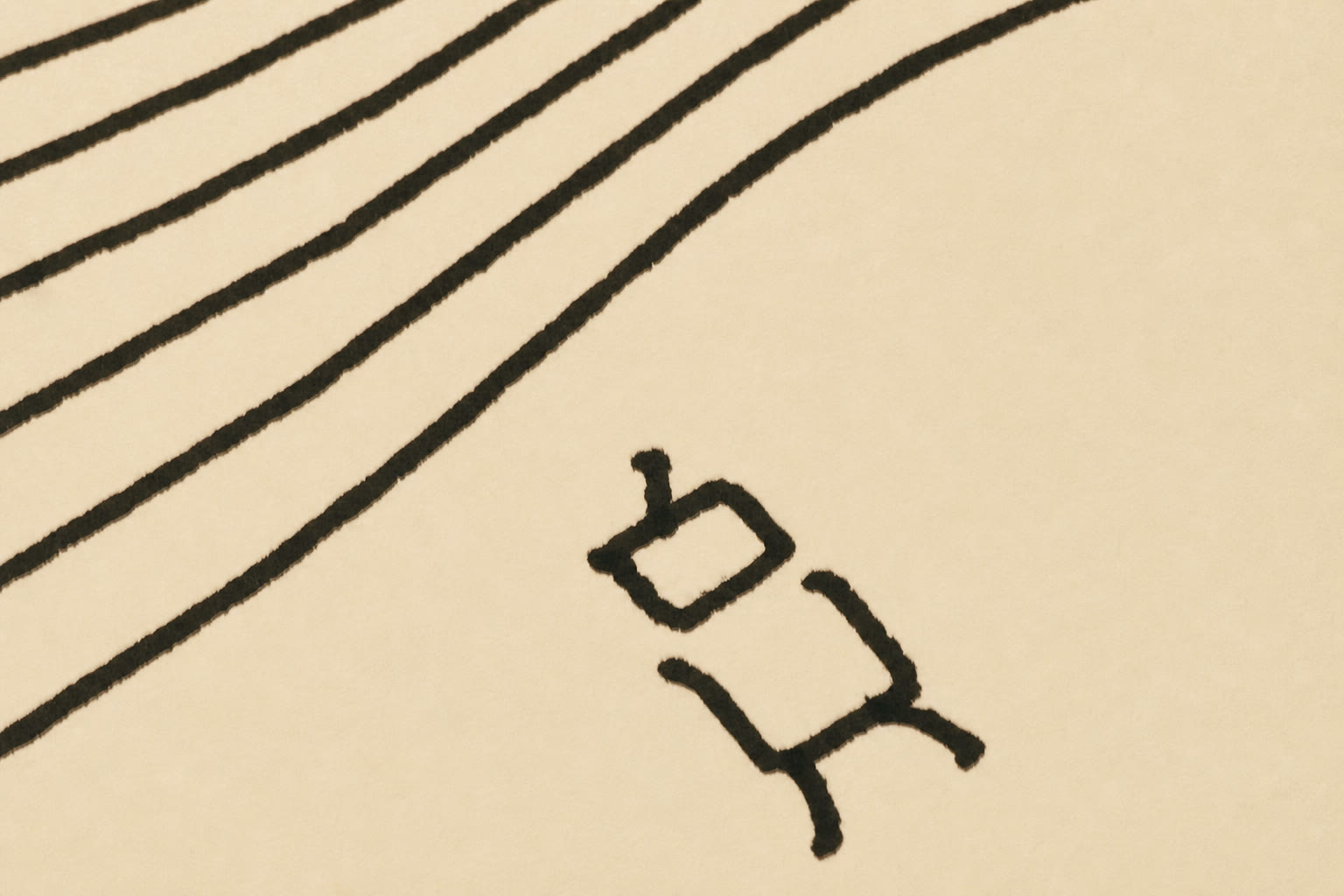
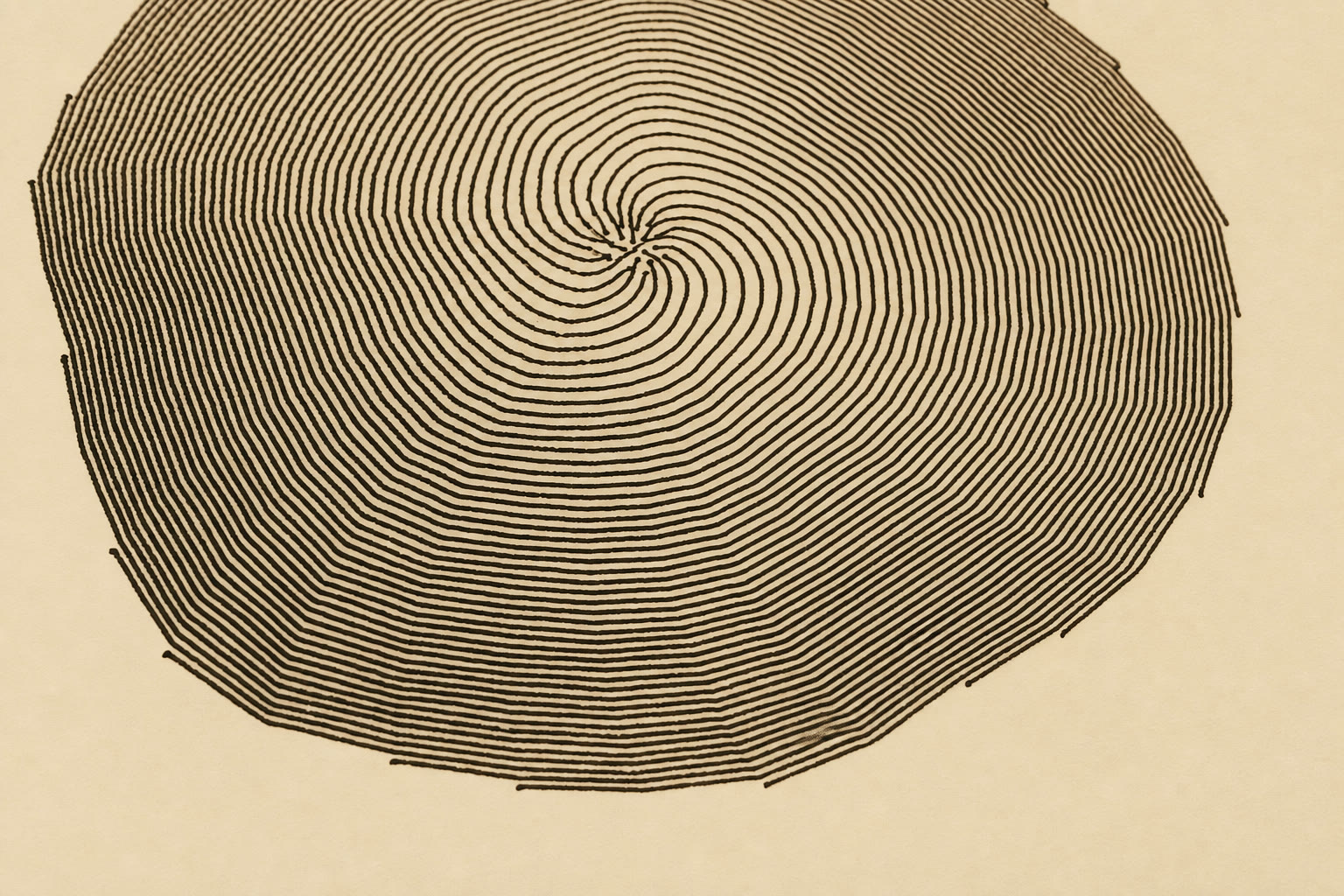
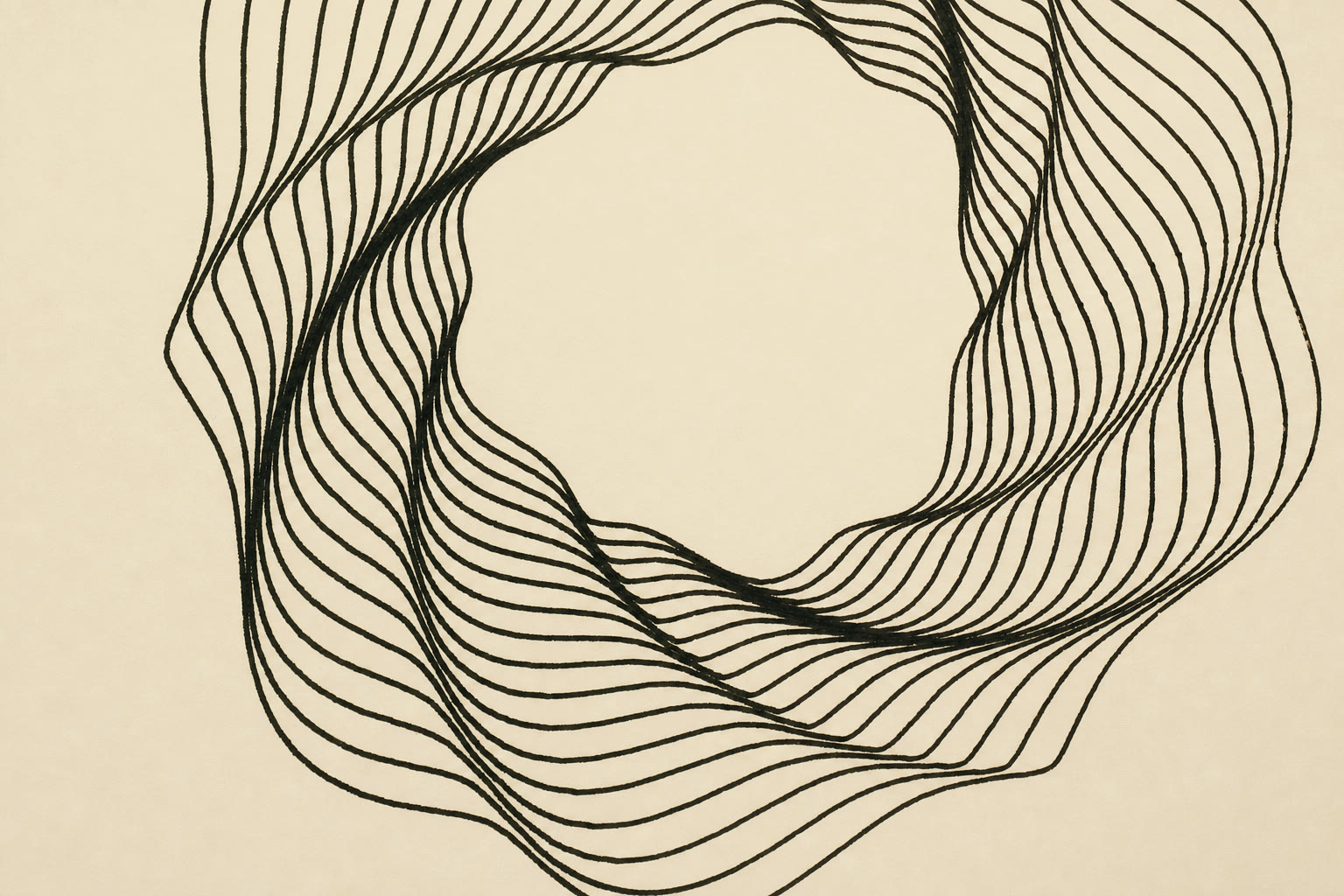
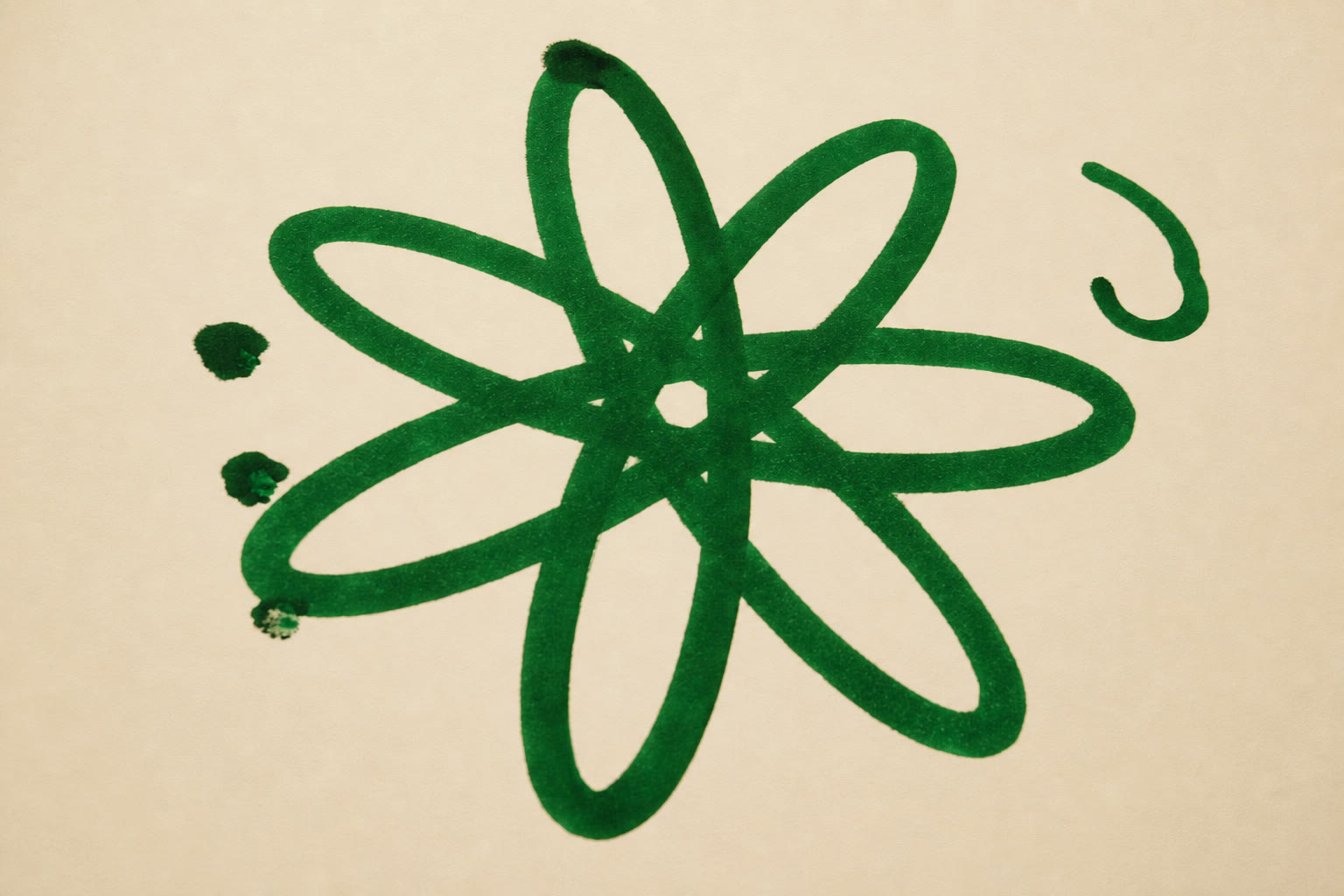
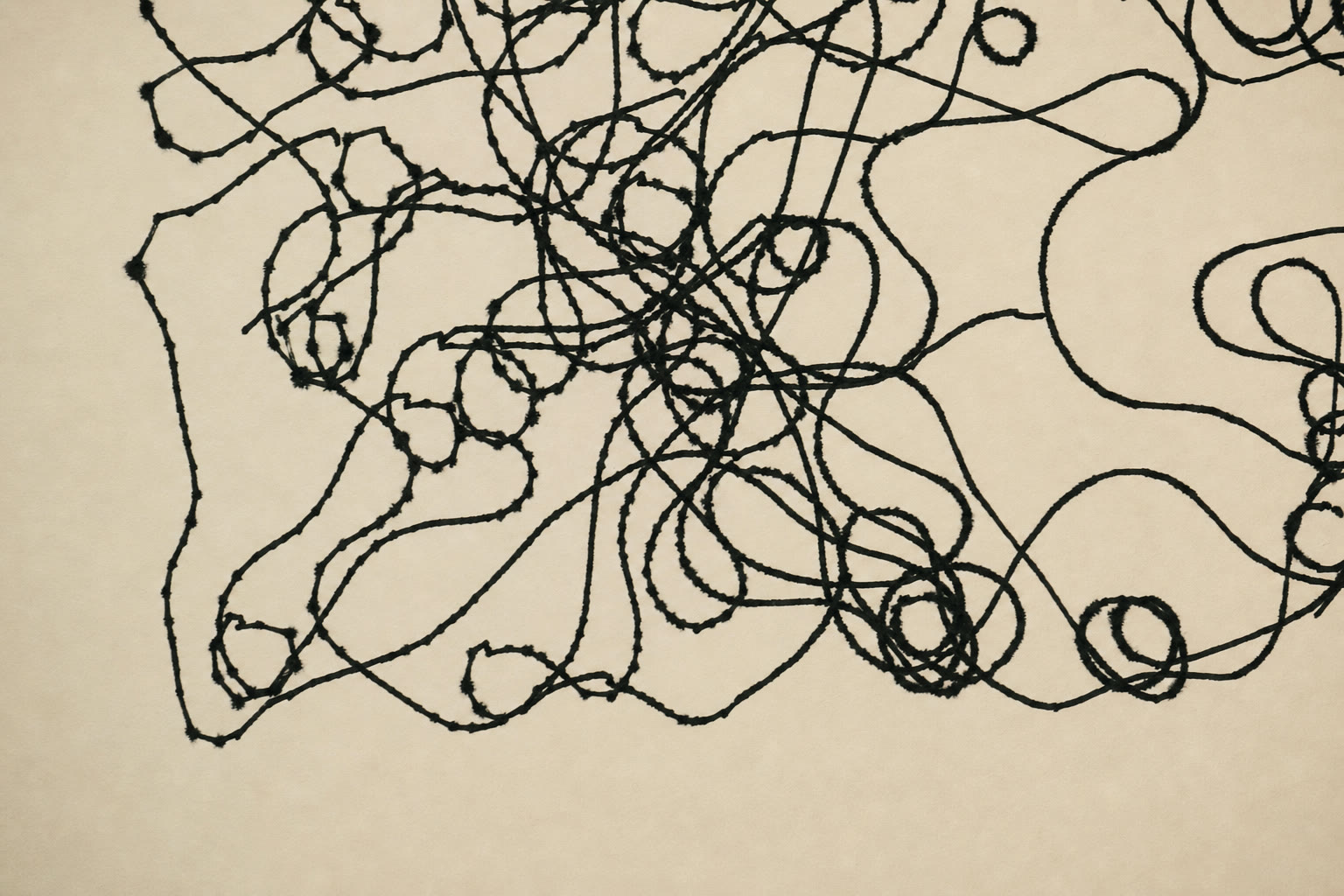
The arm now makes registered pen drawings on 300 × 300 mm paper. These five studio views show recent runs: generated line studies, a portrait test from above, and the nib working at close range.
02 / recent work
Drawings from the studio
Each study begins as geometry, becomes a checked toolpath, and is drawn on paper by the arm. The finished sheet keeps the small deviations of the machine: wobble, stick-slip, and the dark dots left by a loaded nib.
03 / the rig
The current rig
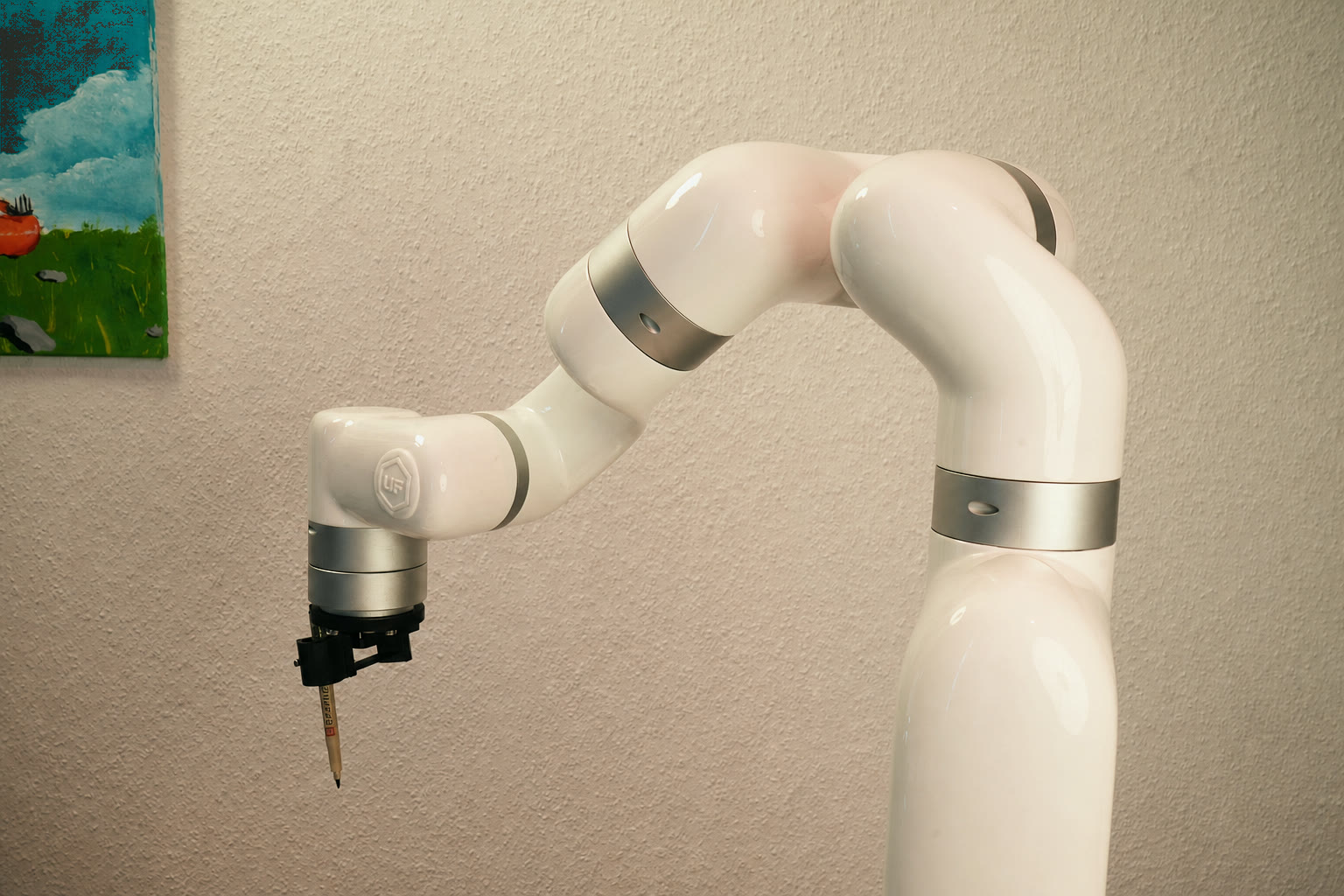
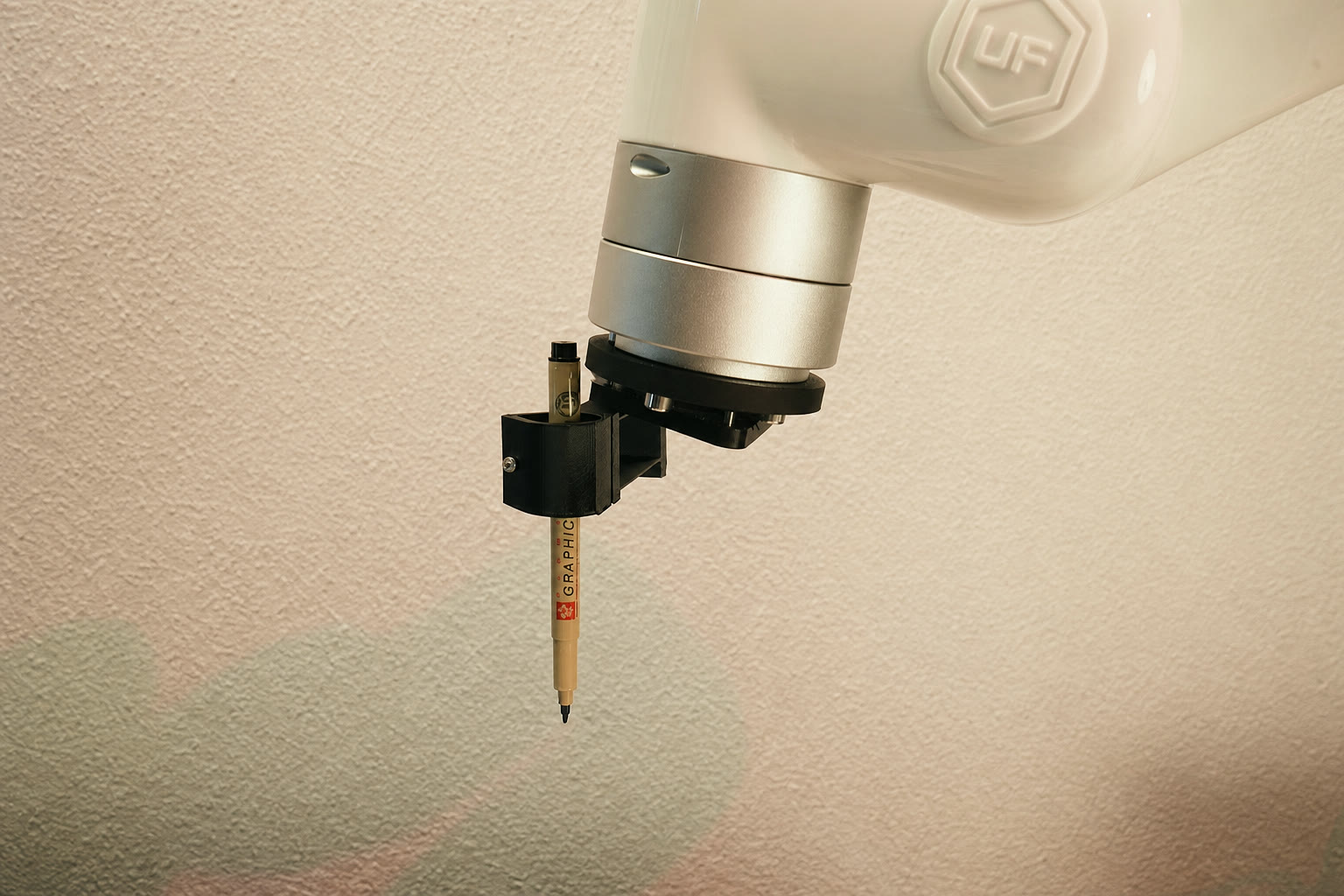
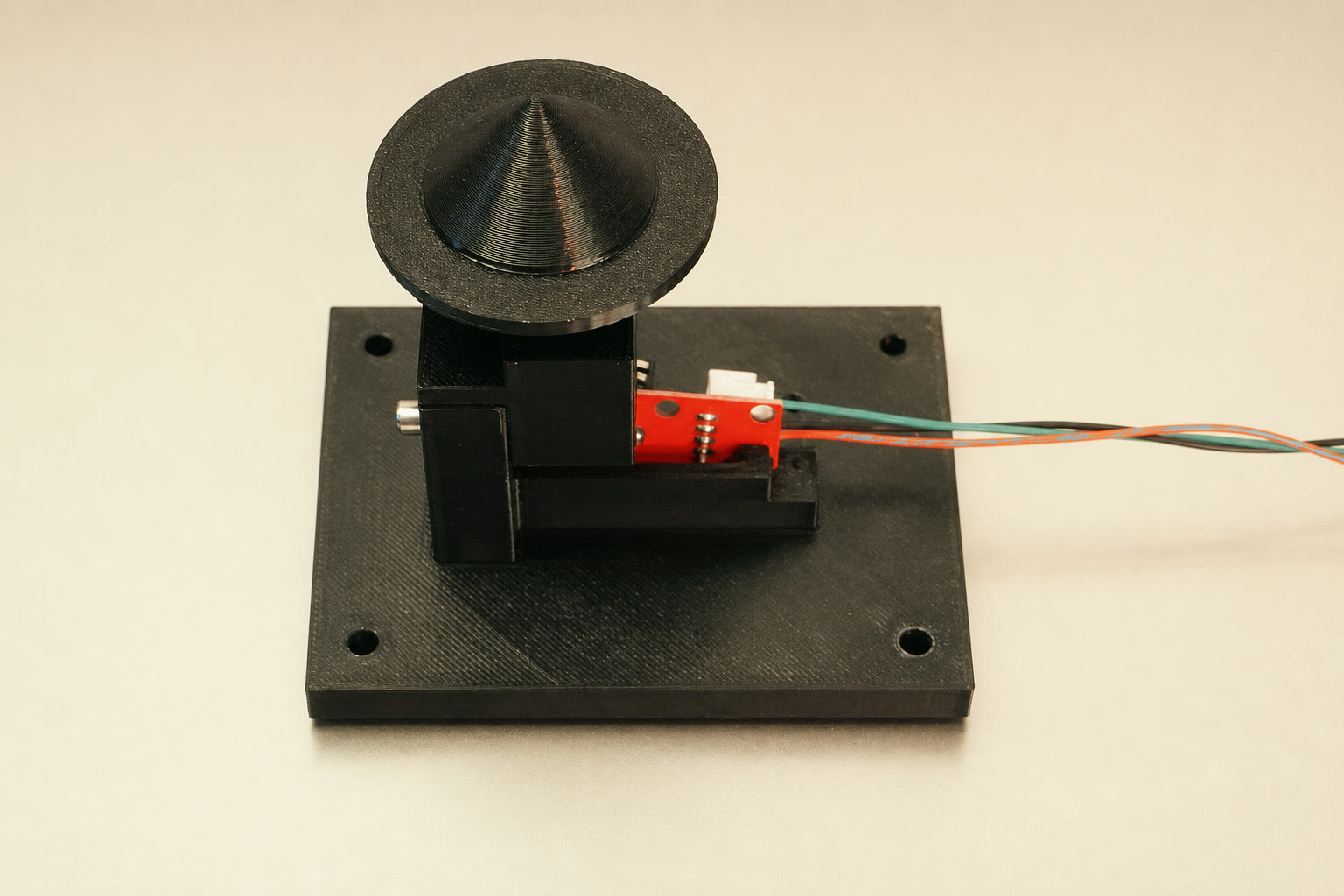
The arm is a UFactory xArm 7. Around it I built a compliant pen holder, a fixed overhead camera, a magnet-registered steel drawing bed, and a 3D-printed touch station. Each part is calibrated against the others with photographs and saved measurements.
Most of the work lives between picture and mark: finding the paper, locating the nib, choosing contact height, and checking every move before the arm runs it. The failures and exact safety constraints live in the technical PB27 context.
04 / the ledger
The machine keeps honest books
Every physical change to the rig—a new sheet of paper, a nib adjustment, a camera exposure—goes into a ledger. The ledger tells the software which calibrations are still safe to trust.
On 15 July, one run logged 182 contact strokes, 14,737 contact samples, and 6.45 metres of drawn travel. A host output pipe broke after stroke 166; the saved trace resumed at stroke 167. My verdict, also kept in the ledger: "kind of decent."
{"event_type": "paper_retape", "note": "Replaced 300x300 mm magnetic drawing paper after PB29 Phyllotaxis 63276; fresh vision XY required"}
{"event_type": "camera_exposure_change", "note": "Locked overhead exposure reduced for reflective magnetic paper detection"}
{"event_type": "nib_change", "note": "Nib adjusted before cone TCP recalibration; tool TCP XY and paper contact Z require revalidation"}
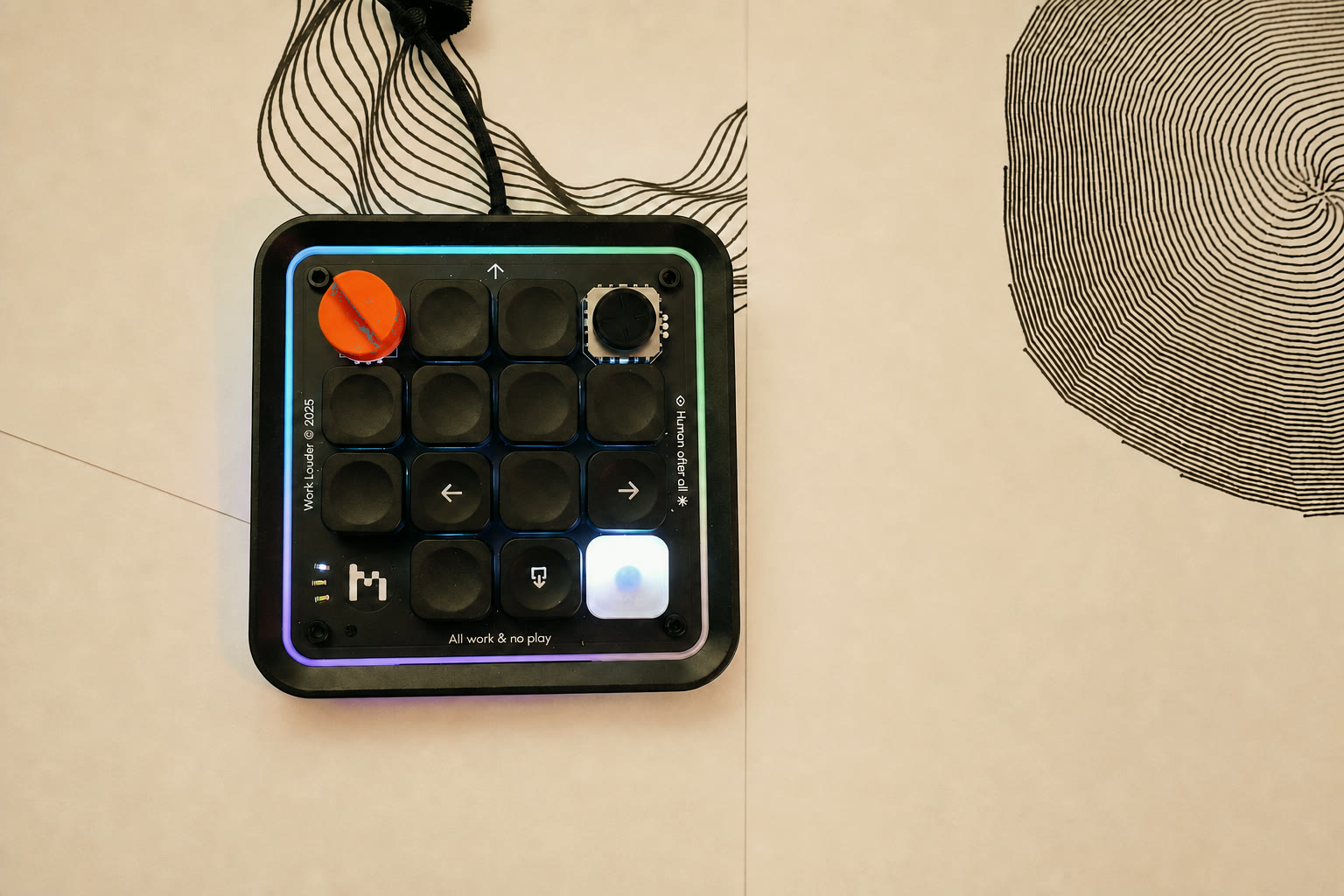
05 / current chapter
Portraitautomat
For decades, Berlin's Photoautomaten have made the city's most direct portraits: step in, four flashes, a strip drops out. Portraitautomat asks what that machine becomes when the illustrator is a 7-axis arm and the path from photograph to ink stays visible.
The first portrait studies are now on paper. They begin as explicit face parameters, become SVG paths, and run through the same calibrated drawing stack as the abstract work above. The self-serve camera flow is the next layer.
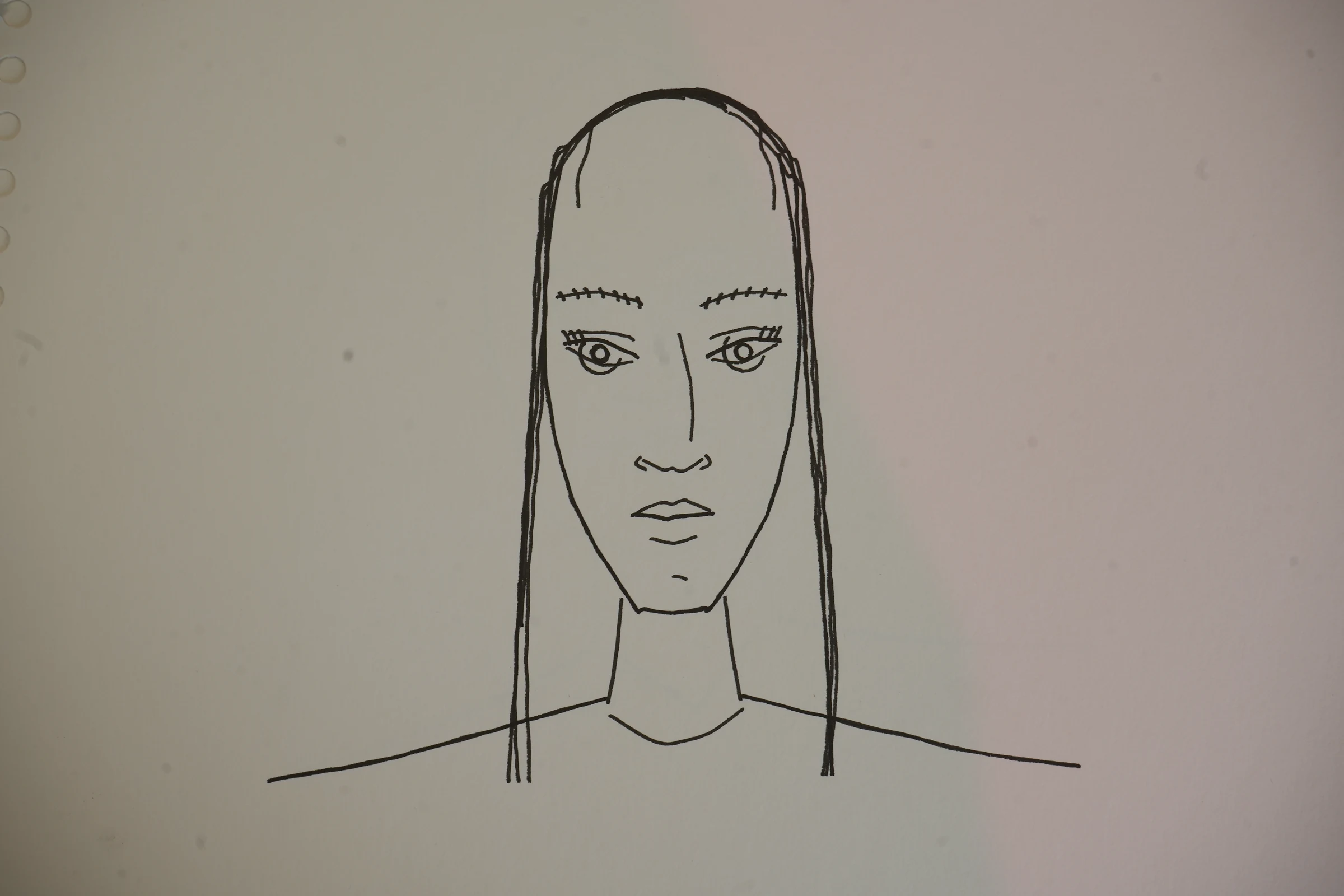
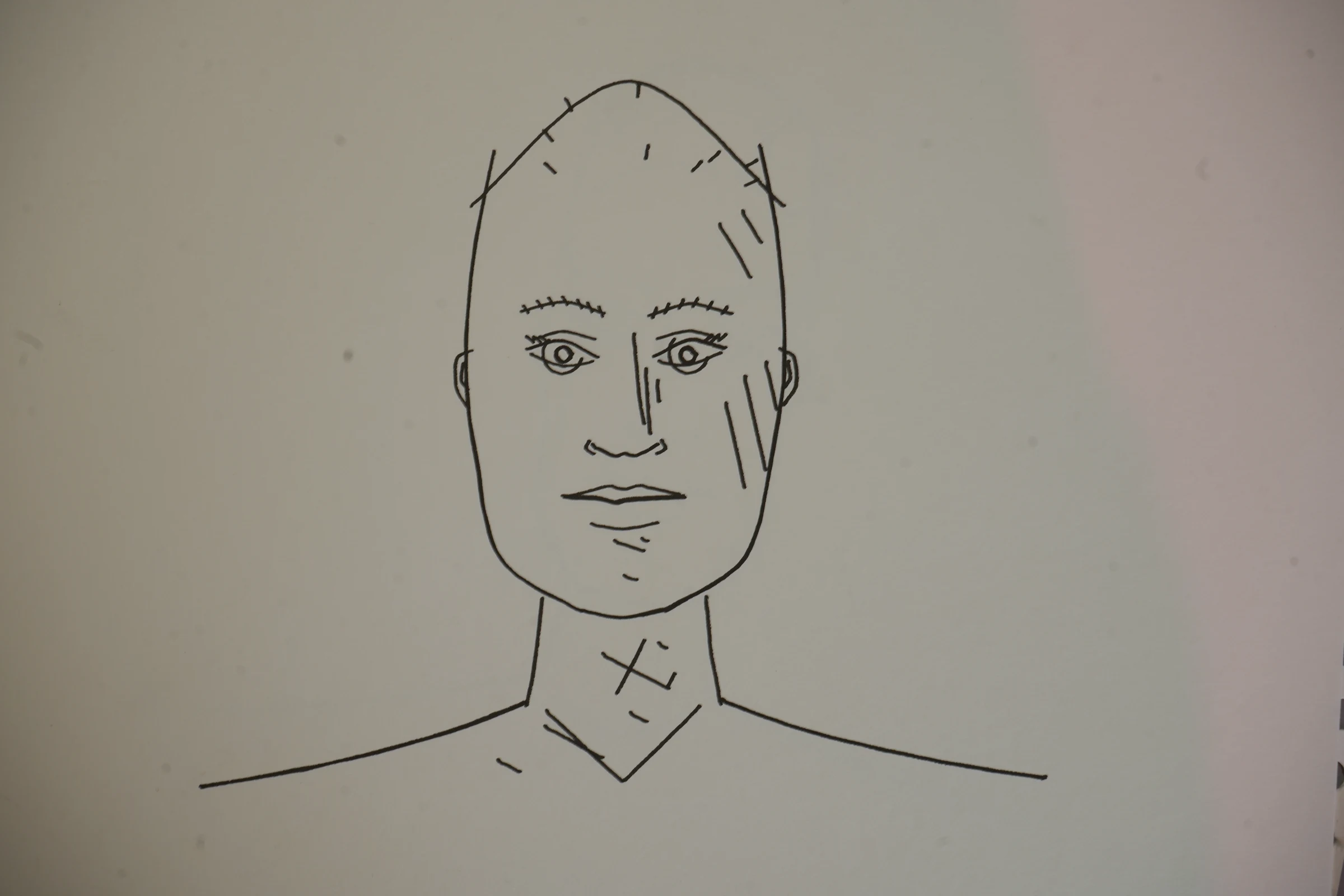
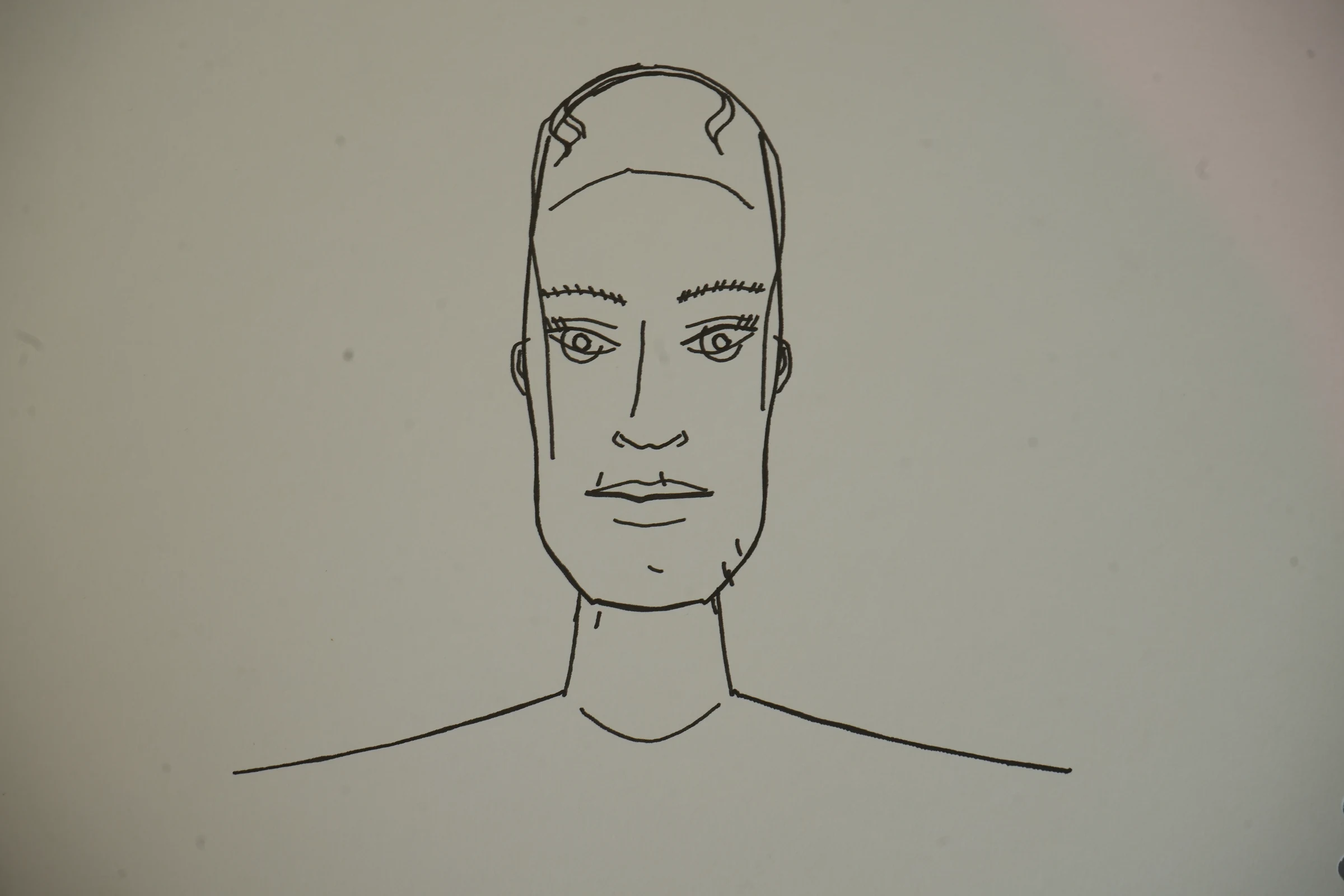
browser study / face study 1